About
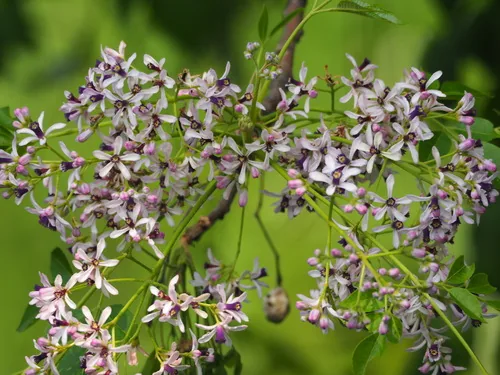
Persian lilac (Syringa × persica) is a compact, fine-branched lilac hybrid group valued for lavender flower clusters in late spring and a rounded habit smaller than many common lilacs. Plants typically reach 4–8 feet (1.2–2.4 m), suckering modestly into airy thickets that perfume hedgerows without shading entire yards. It suits temperate permaculture borders where early pollinator support and cut flowers matter more than edible yield. Full sun for heaviest bloom; fewer flowers in shade. Average, well-drained loam is ideal; tolerates alkaline soils common near foundations. Water deeply during establishment and dry heat waves; avoid waterlogging that invites root issues. Layer low branches or take softwood cuttings in early summer with humidity. Sow seed from hybrids for surprises, not clones. Prune immediately after flowering—next year’s buds form on old wood. Cut flower panicles when one-third of florets are open for longest vase life. Deadhead if you dislike seedling volunteers. Bloom timing tracks local spring warmth, typically after last hard freezes near 28°F (-2°C).
Permaculture Functions
- Ornamental: Syringa × persica lavender panicles repeat on fine twiggy wood smaller than vulgaris hybrids -- fits courtyard beds where big lilacs would eat the whole window view.
- Wildlife Attractor: Four-petaled tubular flowers offer nectar and pollen to swallowtail butterflies and early bumble workers for roughly two intense weeks -- underplant with chives so something feeds bees when lilac show ends.
- Border Plant: 1–2.5 m rounded suckering clumps edge paths, patios, and parking strips without shading vegetable rows -- prune immediately after bloom because next year’s buds already hide on old wood.
- Windbreaker: Tight rows along picket fences blunt spring gusts across lettuce beds without casting deep permanent shade like evergreen screens -- still thin centers if powdery mildew loves your humidity.
Companion Planting
- Powdery Mildew — improve airflow; avoid overhead sprinklers that extend leaf wetness
- Pruning after bloom only—autumn haircuts delete next spring’s flowers silently