About
Lettuce (Lactuca sativa) is a cool-season leafy crop grown for crisp greens eaten fresh and for its ability to keep producing when the weather stays reasonable. It forms low rosettes or loose heads depending on variety, and plants typically reach 15–30 cm (6–12 in) tall. In permaculture, it matters because it turns short-season space into repeatable harvests and its quick leaf cover helps reduce bare-soil evaporation and soil temperature swings for the next crop. Full sun to partial shade; partial shade reduces bolting and bitterness in warm spells. Keep moisture consistent; drying triggers bitterness and speeds flowering. Prefers fertile, well-drained soil amended with compost. Avoid wet, stagnant beds; root stress invites rot. Seeds: direct-sow in cool weather; germination often takes 2–7 days depending on temperature. Succession sowing: repeat every 1–2 weeks to spread harvest and reduce “all-at-once” disappointment. Thinning: thin early so plants form usable heads instead of crowded leaf pile regret. Harvest leaves young using cut-and-come-again, or harvest heads when they reach desired size. Pick in the cool part of the day for best texture. When bolts, let some flower for pollinator support and seed harvest if needed.
Permaculture Functions
- Edible: Lactuca sativa fills cut-and-come-again beds with crisp leaves before heat pushes latex bitterness -- choose looseleaf types for continuous harvest, romaine for crunch, butterhead for forgiving texture.
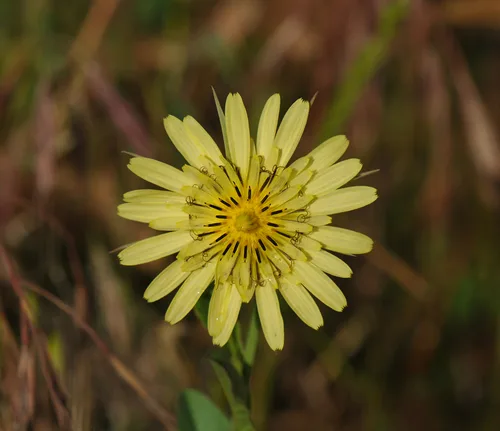
- Pollinator: Yellow ligulate petals on bolted plants feed small bees if you leave a few volunteers to flower -- pull most heads before seed rain if downy mildew spores already haunt the patch.
- Ground Cover: Dense transplants shade inter-row soil in cool months, slowing annual weeds and cutting splash onto taller crops -- succession sow every two weeks so heads do not all mature the same week.
Companion Planting
Threats & Pressure