About
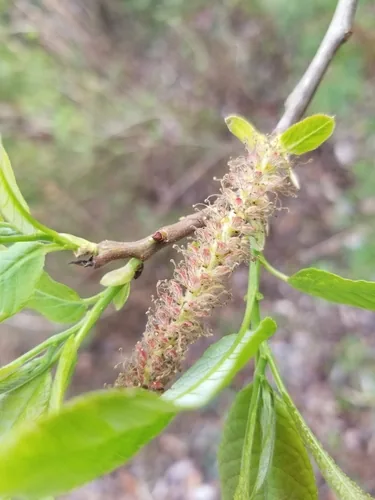
Florida willow (Salix caroliniana) is a fast-growing native willow of riverbanks, swales, and freshwater wetlands across the southeastern United States and parts of the Caribbean, often multi-trunked with narrow leaves and catkins that arrive as early insect groceries. It stabilizes banks while dropping fine litter that feeds aquatic food webs—engineering with twigs instead of riprap cosplay. Use it in restoration, livestock shade along ponds, and biomass coppice trials where periodic cutting is part of the plan, not a crisis response. Full sun to partial shade; demands abundant soil moisture or proximity to water tables. Tolerates brief inundation; struggles on dry uplands without irrigation. Roots are aggressive toward pipes and septic fields—site with infrastructure paranoia. Hardy through cool-temperate winters at the north end of its range; heat-tolerant in humid subtropical climates. Hardwood cuttings stuck directly into moist soil root readily in warm weather. Wild-collected poles for live staking should follow ethical and legal guidelines; nursery liners are simpler. Coppice on 2–4 year rotations for basket willow trials or mulch chips; cut during dormancy when possible. Leave flowering wood early in the season for pollinators if managing for wildlife.
Permaculture Functions
- Wildlife Attractor: Salix caroliniana catkins open earliest wetland pollen for mining bees -- while foliage hosts Acadian hairstreak larvae along freshwater swale toes in zone 6-10 rows you coppice on rotation instead of specimen-tree fantasy.
- Erosion Control: Adventitious roots knit bank sediment below cow access points better than riprap alone -- if livestock browse rotates off fresh live stakes you stuck directly into mud each dormant season after flood scours.
- Water Retention: Multi-stem crowns intercept sheet flow off roads depositing silt behind fascines woven from dormant cuttings you buried shallow so willow whips root -- before the next two-inch gully washer tests your spacing math.
- Biomass: Two-to-four-year coppice cycles yield basket-grade whips and chip mulch that rots fast -- when floodplains stay anaerobic half the year and you need carbon-heavy feedstock for biochar kiln trials beside the same pond toe.
Companion Planting
- Septic fields and water lines — willow roots hunt moisture with criminal intent; give utilities a wide buffer
Threats & Pressure