About
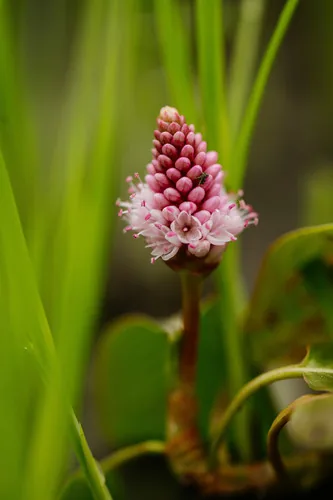
Water is not empty space — it is a layer. Emergent plants, floating leaves, submerged oxygenators, and edge shrubs form a living filter that steadies temperature, catches nutrients before algae throws a party, and gives frogs résumé material. subtropical and tropical Americas: plan for summer heat, hurricane downpours, and the occasional hard freeze that turns tropical floaters into compost. Size pumps and liners for reality, not Pinterest. Match depth labels: shelf plants vs deep water vs floating colonies. Nutrient flow from upslope yards makes or breaks algae balance — design swales and plant uptake accordingly. Species-specific: rhizome division, tubers, seed, stem fragments for some oxygenators. If your pond is sterile blue dye, you built a bathtub, not habitat. Edible aquatics: harvest young leaves and shoots in warm growth periods; grit removal matters more than garnish fantasies. Water purifiers: thin mats when flow drops or dissolved oxygen complaints begin -- timing is ecological, not cosmetic. Compost removed biomass hot and monitored so fragments cannot restart downstream.
Permaculture Functions
- Edible: Colocasia corms, Nasturtium officinale shoots, and Sagittaria tubers each want different depths and flow -- match species to shelf labels, not Pinterest collage dreams.
- Wildlife Attractor: Dragonflies oviposit on vertical stems; tree frogs perch on lotus pads -- shallow graded edges beat bathtub walls for recruitment.
- Aquatic: This layer is explicitly wet -- submerged oxygenators, floating plants, and edge shrubs differ from terrestrial guilds; depth and winter kill decide who returns.
- Water Purification: Submerged and emergent growth uptakes dissolved nutrients from the water column -- established stands measurably reduce nitrogen and phosphorus load in pond and wetland systems.
Companion Planting
- Releasing invasive aquarium plants into public water