About
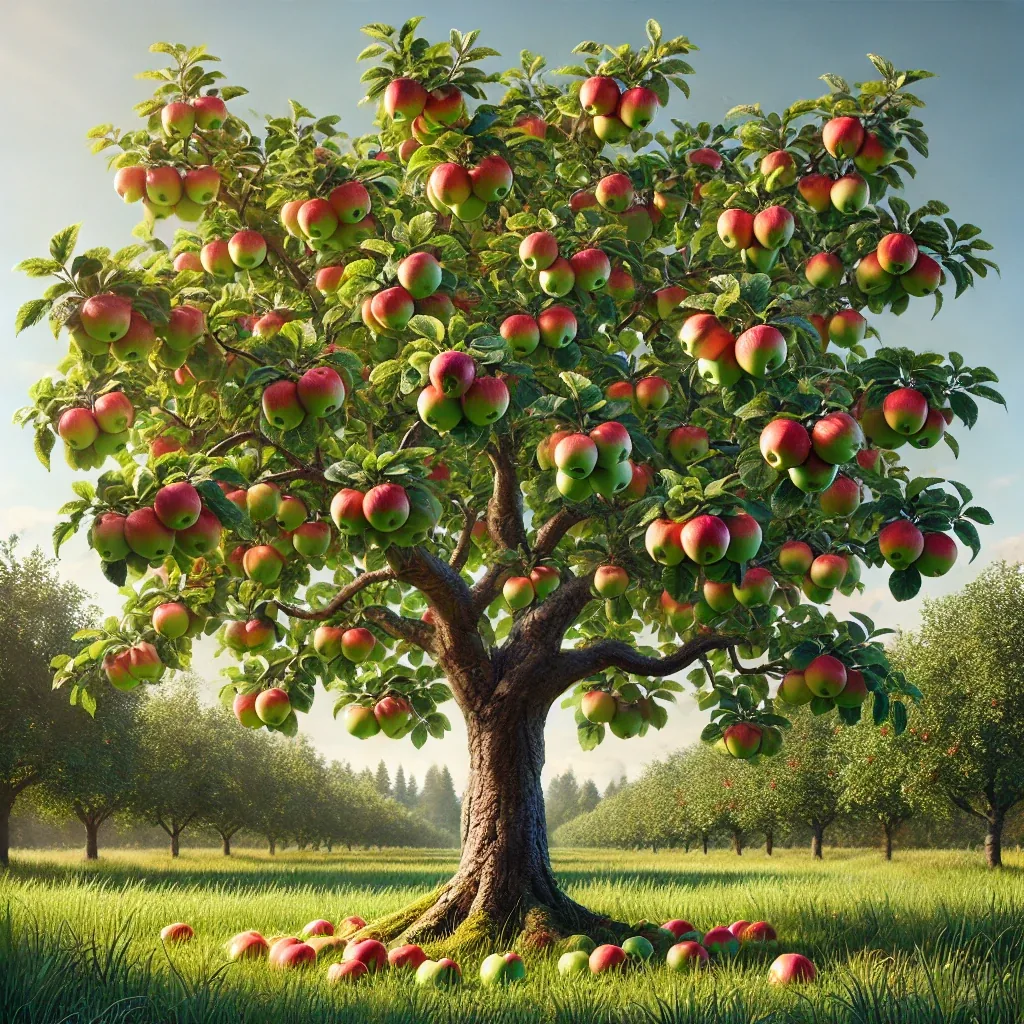
The Apple Tree (Malus domestica) is a deciduous fruit tree that produces a variety of apples used for fresh eating, cider-making, and cooking. It typically grows between 3–9 meters (10–30 feet) tall, depending on the rootstock and cultivar. Apple trees thrive in temperate climates with cold winters for proper dormancy. They require cross-pollination from compatible varieties for fruit production. The trees bloom in early spring with fragrant white to pink flowers, attracting bees and other pollinators. The fruit ripens in late summer to fall, with a wide range of flavors, colors, and textures depending on the cultivar. Proper pruning enhances airflow, reduces disease risk, and improves fruit quality. Prefers full sun for optimal fruiting. Requires well-drained, loamy soil rich in organic matter. Moderate water needs; deep watering during dry periods promotes strong root growth. Grafting: The most common method, ensuring desired fruit traits. Seeds: Can be grown from seed but results in unpredictable fruit characteristics. Cuttings: Hardwood cuttings can root, but success rates vary. Harvest times vary by cultivar, typically between late summer and fall. Fruit is ready when it detaches easily from the branch with a slight twist. Store apples in a cool, dry place to extend shelf life.
Permaculture Functions
- Edible: Malus domestica cultivars span sharp cider bittersweets to crisp dessert apples depending on scion choice -- rootstock controls final height, so match understory guilds to dwarfing versus standard vigor.
- Medicinal: Slow-fermented apple cider vinegar carries acetobacter acids and fruit minerals used in folk bitters and oxymels -- use labeled culinary process, not half-sealed jars of mystery juice on the counter.
- Pollinator: Five-petaled white to pink cymes open in cool spring windows, feeding orchard mason bees and honeybees before canopy closure -- mismatched bloom times between varieties explain empty bins more often than soil tests.
- Wildlife Attractor: June drop and windfalls feed wasps, butterflies, and deer at the orchard edge -- leave a sacrificial strip if you want bird and insect traffic without pretending humans win every fruit.
- Mulcher: Deciduous leaves fall into guild rows where comfrey and clover catch them, feeding fungal decomposition that matches apple's own feeder roots -- rake only where mats smother young perennials.
- Dynamic Accumulator: Deep fibrous roots mine potassium and calcium from subsoil and move it into leaf tissue that returns when you chop prunings fine -- pair with comfrey for stacked mineral cycling at different depths.
- Erosion Control: Orchard grass alleys and fibrous root mats slow sheet flow on sloped sites compared with bare cultivation -- keyline design still beats wishful thinking on steep ground.
- Border Plant: Hedgerow-trained apples mark field edges with spring bloom and winter silhouette -- fire blight bacteria love warm wet blossoms, so open vase pruning is structural disease management, not vanity.
Companion Planting
Also mentioned as companions:
- Clover
Not yet profiled in PermiePortal
- Walnut
- Tomato
Threats & Pressure
- Aphids
- Apple Maggot
- Bagworm
- Blackberry Psyllid
- Cherry Fruit Fly
- Codling Moth
- Cyclamen Mite
- Fall Webworm
- Lesser Peachtree Borer
- Oriental Fruit Fly
- Oriental Fruit Moth
- Peach Twig Borer
- Peachtree Borer
- Pear Psylla
- Plum Curculio
- Raspberry Beetle
- Raspberry Cane Borer
- Rose Slug
- Sparganothis Fruitworm
- Spittlebugs
- Stink Bug
- Strawberry Root Weevil
- Twig Girdlers
- Vine Weevil
- Gall Mite
- Rust Mite
- Spotted Lanternfly
- Brown Marmorated Stink Bug
- Eastern Tent Caterpillar
- Harlequin Ladybird
- Tent Caterpillar