About
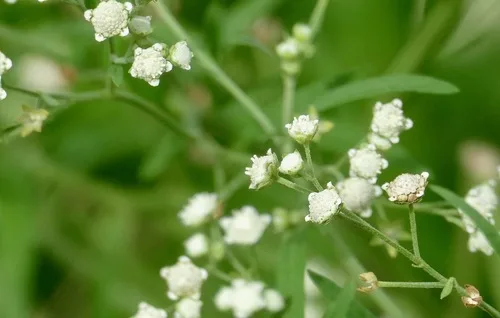
Feverfew (Tanacetum parthenium) is a perennial herb native to Europe that forms upright clumps of aromatic foliage and daisy-like flowers with white petals and yellow centers. It typically grows 30–60 cm (12–24 in) tall and is valued in permaculture because it keeps the flower calendar running while offering a functional medicinal-herb harvest. In a food forest, it’s also useful as a visible, easy-to-manage patch that draws pollinators when you need the garden’s insect engine turned on. Full sun to partial shade; the sun keeps stems sturdy and blooming. Water moderately during establishment; once rooted it tolerates short dry spells. Prefers well-drained soil with compost; waterlogged beds increase root stress. Handles cool temperate weather better than persistent summer wet. Seeds: direct-sow or start indoors; germination commonly takes 7–21 days with steady moisture. Division: split mature clumps in spring or early fall; replant promptly and water in. Cuttings: take soft tips in warm season and root under humidity for clones. Harvest leaves before flowering for a milder, tender pick; later leaves can be stronger. Cut stems after flowering to encourage tidy regrowth or remove seed heads to control spread. Dry leaves and flowers in airflow for tea-style preparations.
Permaculture Functions
- Medicinal: Tanacetum parthenium leaf standardized to parthenolide content is what migraine prophylaxis trials actually used -- chewing fresh leaf is an old folk shortcut; mouth ulcers and withdrawal rebound headaches are real reported effects when people quit cold turkey after chronic use.
- Pollinator: White daisy-ray heads with yellow disc centers stay open for weeks in June sun, loading pollen for hoverflies and small solitary bees between vegetable flushes -- deadheading one row while leaving another extends nectar calendar without seed rain everywhere.
- Wildlife Attractor: Finches pick the small achenes once heads brown on stiff twelve-inch (30 cm) stems -- low clumps also give cover for ground beetles hunting slug eggs along bed margins if you leave a few stems uncut until frost.
Companion Planting