About
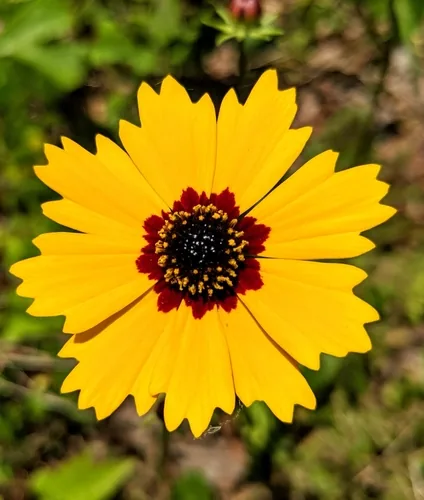
Goldenmane tickseed (Coreopsis basalis) is a showy annual or short-lived coreopsis of prairies, roadsides, and open sandy ground in the south-central United States and adjacent regions, with dark-centered gold ray flowers and fine foliage that self-sows politely in warm climates. It is a pollinator snack bar in spring-to-summer windows when many beds are still deciding their personality. Use it in meadow mixes, rain-garden margins with sharp drainage, and chop-and-drop annual rotations that refuse turf monoculture. Full sun; lean, well-drained soils produce compact plants and intense bloom. Tolerates drought once established but looks fuller with moderate moisture between rains. Poor performance in heavy wet clay without amendment. Not reliably perennial in cold zones—treat as self-seeding annual northward. Sow seed directly after frost risk; barely cover—light aids germination. Collect dry heads before shatter to curate color placement next season. Cut flowers for bouquets at early open stage; deadhead to prolong bloom or allow seed for finches and self-sowing.
Permaculture Functions
- Pollinator: Coreopsis basalis packs nectar and pollen into golden ray flowers with a dark central disk -- small bees, syrphid flies, and butterflies work the heads in open sun when many turf weeds offer nothing.
- Ornamental: The black-eyed gold color reads clean from a distance -- use it as a punctuation mark in meadow mixes and rain-garden margins where you want annual punch without shrub weight.
- Ground Cover: Low, fine foliage forms a temporary living mulch in lean sand -- it will not smother established perennials but does shade germinating weeds through the bloom window.
- Wildlife Attractor: Finches and other granivores strip dry heads once seeds mature -- leave spent inflorescences if you want late-season bird traffic without supplemental feeders.
Companion Planting
Also mentioned as companions:
- Liatris
- Bluestem
Not yet profiled in PermiePortal
- Heavy fertility and irrigation can produce lush flop—lean soil often gives better posture
Threats & Pressure