About
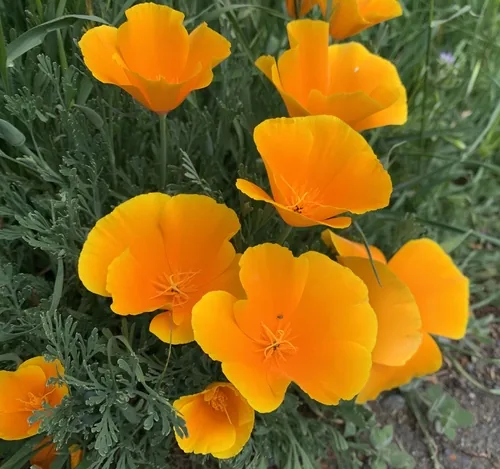
California poppy (Eschscholzia californica) is a famous western North American annual or short-lived perennial (behavior varies by climate) with finely divided blue-green foliage and satiny orange, yellow, or cream cup-shaped flowers that close on cloudy days. Plants typically reach 15–45 cm (6–18 inches) tall and reseed freely in open, lean soils. Full sun; blooms close in shade. Excellent drainage; highly drought-tolerant once established. In subtropical and tropical Americas, grow during the cooler dry season for best color—humid wet-season heat often shuts down flowering and encourages root decline unless soil is very sharp and airy. Water lightly during establishment; avoid overhead irrigation that keeps foliage wet overnight. Seeds: Direct-sow in fall (subtropical/tropical) or early spring after last cool spell; barely cover; germinates quickly in warm soil. Transplants: Move young seedlings while small; taproots resent disturbance. Collect dry capsules before they shatter if you want controlled reseeding. Flowers are delicate in arrangements; use fresh in morning. Some people use aerial parts as a mild nervine—confirm local regulations and personal tolerance.
Permaculture Functions
- Edible: seeds flavor breads when toasted sparingly like other papaveraceous grains, and fresh orange cups garnish salads -- after confirming local rules and personal sensitivity.
- Pollinator: opens only in sun, exposing pollen to daytime bees and hoverflies on dry banks -- while petals close on cloudy afternoons to protect nectar.
- Ornamental: paints lean soil with satiny orange to yellow cups on blue dissected foliage -- that suits rock berms and low-water meadow mixes without irrigation addiction.
- Wildlife Attractor: Self-sown Eschscholzia californica patches drop tiny seeds -- that feed ground-foraging birds and shelter ground beetles among the wispy basal rosettes.