About
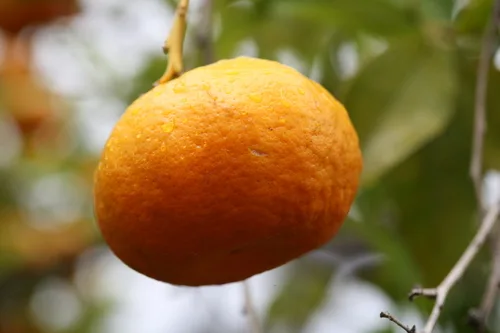
Clementine (Citrus clementina) is an evergreen citrus tree grown for its easy-to-peel, sweet-scented fruit. It forms dense, glossy foliage and typically reaches around 3–6 m (10–20 ft) in managed landscapes, with fragrant white blossoms that arrive in cool seasons. Native origins trace to cultivated Mediterranean citrus breeding rather than wilderness dominance, but its role is permaculture-relevant: it provides year-round structure, regular harvest calories, and flower nectar that feeds garden insects when other plants are slacking. Full sun is best; shade reduces flowering and fruit set. Water consistently through flowering and fruit sizing; avoid letting soil fully dry out for long stretches. Prefers deep, well-drained soil with steady organic matter. Protect from frost; cold can damage blooms and young growth. Grafting/budding: graft clementine onto compatible citrus rootstock; commonly done in warm seasons when cambium is active. Semi-hardwood cuttings (optional): take cuttings in warm months and root under humidity; survival varies by conditions and cultivar. Layering (optional): keep a low branch in contact with moist soil until it roots, then transplant. Harvest when fruit is fully colored and sweet; clementines are often ready in winter depending on climate. Pick in rounds (not once and done) because ripeness can vary by branch. Eat fresh, juice, zest, or preserve as marmalade; store cool for longer shelf life.
Permaculture Functions
- Edible: Easy-peel mandarin-type fruit gives kid-friendly fresh eating, lunchbox segments, and quick zest from a small evergreen tree -- in citrus-friendly climates.
- Medicinal: Peel oils and vitamin C show up in kitchen teas and old cold-season remedies -- bitterness and pesticide residues mean organic peel only for internal use.
- Wildlife Attractor: Heavy spring bloom perfumes the yard -- loads nectar for honeybees and native bees during a cool-season flowering window.
- Shade Provider: Dense glossy canopy cuts ultraviolet and desiccating wind -- on understory herbs, perennial peanut, or comfrey mulch bands under the drip line.
Companion Planting
Threats & Pressure