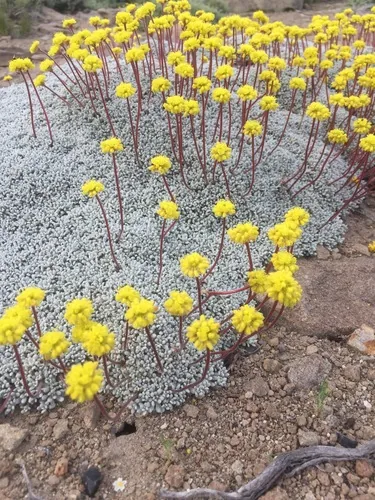
About
Buckwheat is a fast summer annual with heart-shaped leaves, white to pinkish flowers that honeybees mob, and triangular "groats" that are not a true cereal but behave like one in the kitchen. It smothers weeds, pulls phosphorus, and finishes before frost if you time sowing right. Excellent cover between warm-season crops; sow after soil warms. It will decline once nights stay tropical-hot unless you keep moisture up. Full sun; loamy, well-drained soil; keep moist during establishment, somewhat drought-tolerant once rooted. Poorly drained fields invite root rots. Direct seed broadcast or drill; do not transplant—life is too short. Turn under before hard seed set if you do not want volunteer buckwheat forever. Cut or incorporate at bloom peak for green manure; harvest grain/greens before hard frost if you are eating or seed-saving—timing ties to your rotation goals.
Permaculture Functions
- Edible: Triangular Fagopyrum groats toast to nutty kasha or mill to dark flour for soba -- whole fields for grain need dry-down timing; garden patches often go cover-crop mode before you harvest seed.
- Pollinator: White to pink umbels open in about forty-five days from sowing and load nectar so fast that honeybees switch recruitment dances midafternoon -- short bloom means plant successive strips if you need a month-long bee bridge.
- Wildlife Attractor: Hoverflies and small solitary bees pack the same inflorescences that later set triangular seed for ground-feeding sparrows -- leave one unmowed patch if you want finches cleaning volunteer grain before it sprouts.
Companion Planting
Threats & Pressure