About
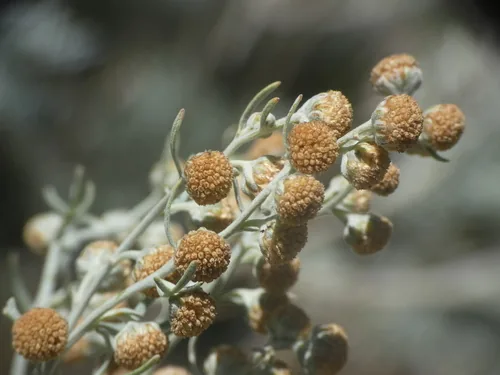
Mugwort is the bitter aromatic perennial your garden will regret if you underestimate rhizomes. Tall, silvery-green leaves, inconspicuous flowers, and a talent for marching through mulch. Traditional medicine and dreaming folklore follow it around — potency is real, allergies happen, and pregnant folks should steer clear. In subtropical and tropical Americas it grows vigorously in cool season and can look rough in summer heat without partial shade and moisture. Full sun to part shade in hot climates. Average to moist soil; tolerates poor soils better than pampered divas. Contain rhizomes or plan on editing patches forever. Rhizome division — easiest and most dangerous for spread. Seeds: wind-dispersed; deadhead if you fear the neighborhood. Aerial parts before flowering for drying. Use reputable ID; wormwood relatives punish cocky foragers.
Permaculture Functions
- Medicinal: Artemisia vulgaris leaf before flowering is dried for moxa and nervine bitters in East Asian practice -- thujone analogs mean pregnancy, breastfeeding, and seizure meds are hard stops; mugwort pollen is also a documented seasonal allergen.
- Pest Management: 1,8-cineole and camphor volatiles from bruised leaf repel clothes moths in stored wool trials and confuse some leaf-mining flies when rows alternate with carrots -- effect is radius and humidity dependent, not a substitute for row cover on brassicas.
- Dynamic Accumulator: Rhizomatous stands mine potassium into leaf ash on waste ground tests -- aggressive chop-and-drop of tops (not rhizomes you spread) feeds compost piles if you harvest before wind disperses plumed seed.
- Wildlife Attractor: Wind-dispersed plumed seed feeds late goldfinches on disturbed ground while stems still stand -- leaving four-foot (1.2 m) dead wands until spring gives winter sparrows perches over dormant rhizome mats without shading evergreen groundcovers.
Companion Planting
- Small raised beds without rhizome barriers
Threats & Pressure