About
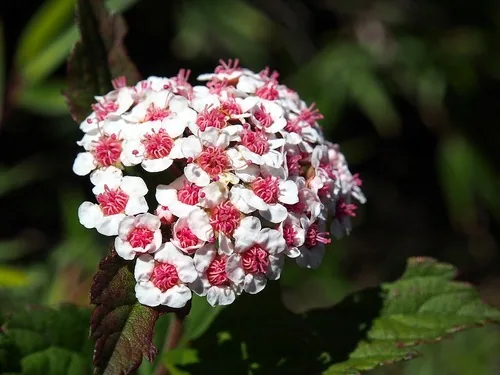
Meadowsweet (Filipendula ulmaria) is a robust rosaceous perennial of damp meadows and streambanks, bearing deeply veined, often whitish beneath leaves and foamy, sweet-scented cream flower plumes in summer. Plants commonly reach 3–4 feet tall with a clumping habit; they are the botanical answer to “cottagecore, but actually likes mud.” subtropical and tropical Americas: Not a default landscape plant for steamy lowlands—if you try it, treat it as an experiment in bright shade, constant soil moisture, and enriched organic soil, similar to how you might coddle other cool-temperate refugees. Full sun in cool climates; in heat, morning sun and afternoon shade reduce leaf scorch. Consistently moist, humus-rich soil; never let the root zone bake—this is not a xeriscape mascot. Division in early spring or autumn; slice thick crowns with a sharp spade and replant immediately. Seed: surface-sow; light-dependent germination; stratify if indoor-starting stubborn lots. Traditional harvest of flowering tops in full bloom for drying; leaves earlier in season if your practice specifies. Deadheading limits self-sowing if you dislike free volunteers colonizing your path like optimistic teenagers.
Permaculture Functions
- Medicinal: Filipendula ulmaria flowering tops deliver salicylate precursors used in traditional pain and fever teas -- modern aspirin exists for a reason; use plant medicine with training and salicylate allergy awareness.
- Pollinator: Cream plumes pack tiny florets that feed short-tongued bees, beetles, and flies in midsummer -- bridges nectar gaps after spring umbels finish.
- Wildlife Attractor: Insect density along foamy spikes draws crab spiders and hunting wasps -- good edge habitat if you tolerate some chewed petals.
- Ornamental: Soft vertical plumes lean over rain-garden toes without formal hedge geometry -- pair with darker foliage downstream for contrast in wet beds.
Companion Planting
Threats & Pressure
- Aphids
- Apple Maggot
- Bagworm
- Blackberry Psyllid
- Cherry Fruit Fly
- Codling Moth
- Cyclamen Mite
- Fall Webworm
- Japanese Beetles
- Lesser Peachtree Borer
- Oriental Fruit Fly
- Oriental Fruit Moth
- Peach Twig Borer
- Peachtree Borer
- Pear Psylla
- Plum Curculio
- Raspberry Beetle
- Raspberry Cane Borer
- Rose Slug
- Sparganothis Fruitworm
- Spittlebugs
- Stink Bug
- Strawberry Root Weevil
- Twig Girdlers
- Vine Weevil
- Gall Mite
- Rust Mite
- Spotted Lanternfly
- Brown Marmorated Stink Bug
- Eastern Tent Caterpillar
- Harlequin Ladybird
- Tent Caterpillar