About
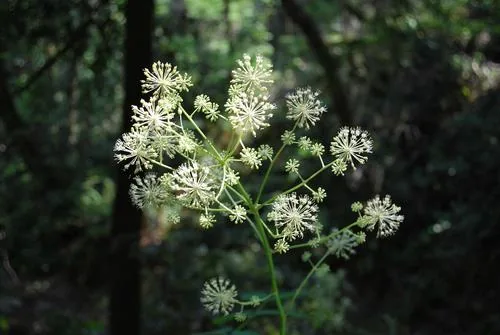
Garden angelica is a statuesque biennial (sometimes triennial) umbellifer with huge divided leaves and globes of greenish-white flowers that smell like honeyed gin. Stems are candied, seeds flavor liqueurs, and young shoots appear in Nordic cookery. It wants cold stratification for reliable germination and sulks in relentless heat — give subtropical and tropical Americas plants afternoon shade, deep soil, and airflow to limit fungal drama. Sun to light shade; afternoon shade in zone 9. Consistently moist, fertile soil — not a xeric plant. Space generously; mature plants are broad. Sow fresh seed in fall or cold-stratify for spring. Transplant young seedlings carefully; taproot sulk if mangled. Snip tender Angelica growth in cool mornings for best texture -- heat-stressed leaves taste like their day job. Flowers at full color for peak volatiles; seeds when pods rattle but before they self-sow across paths. Dry herbs in thin layers; deep piles steam themselves into compost.
Permaculture Functions
- Edible: Angelica archangelica hollow stems candy into bright green confection while seeds flavor aquavit and bitters -- harvest second-year stems before lignification turns them into fiber rope.
- Medicinal: Root and seed tinctures appear in European materia medica for digestive bitters and respiratory formulas -- furanocoumarins mean sun sensitivity is real; coordinate internal use with trained guidance.
- Pollinator: Massive greenish-white umbels act as landing pads for syrphids, tachinid flies, and small native bees -- bloom in early summer when fewer tall forbs are available.
- Wildlife Attractor: Umbel architecture hosts predatory wasps and parasitoids that hunt caterpillars on nearby crops -- leave some flower heads if you want late-season seed for goldfinches without deadheading everything.
- Border Plant: Six-foot-plus flowering spires anchor the back of moist perennial borders -- space generously because basal rosettes spread wide before the bloom rocket launches.
Companion Planting
- Droughty sand without irrigation
Threats & Pressure