About
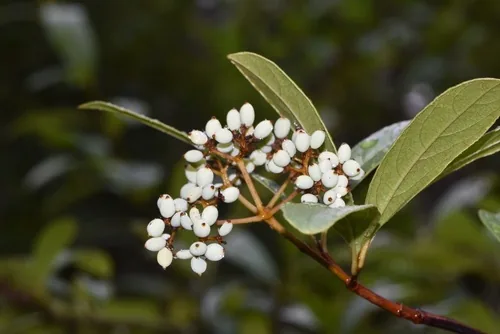
Possumhaw viburnum (Viburnum nudum) is a multi-stemmed deciduous shrub of eastern North American swamps, stream banks, and moist woods. Creamy flower clusters ripen through pink to blue-black drupes that read like beadwork along the stems. It is a backbone plant for rain gardens, bird hedges, and native borders where wet feet would kill fussier ornamentals. Full sun to partial shade; best fruiting with at least half-day sun. Moisture-loving; tolerates seasonal wet; still needs drainage over weeks, not permanent stagnation over the crown. Acidic organic soils typical; mulch with leaf mold in landscape plantings. Softwood cuttings in early summer under mist. Seeds: double dormancy is common—warm stratify, then cold, or sow fresh and wait. Suckers can be separated with roots in early spring. Fruit is technically edible but often bitter-astringent raw; some cooks experiment with jelly after acid and sugar balance. For wildlife, leave clusters until fully colored—migratory birds cue on that signal. Prune after flowering if shaping; heavy winter cuts remove next spring’s bloom wood.
Permaculture Functions
- Edible: Viburnum nudum drupes shift cream to pink to blue-black with astringency that jelly makers tame with acid and sugar -- raw flavor educates palates; cook tests small batches before gifting jars.
- Wildlife Attractor: Flat-topped cymes feed mason bees and hoverflies; ripe drupes fuel cedar waxwings and thrushes during migration -- plant two unrelated clones because many selections are self-sterile without cross pollen.
- Ornamental: Simultaneous rainbow fruit clusters on one shrub sell rain-garden tours from late summer through fall color -- glossy leaves stay clean-looking where powdery mildew pressure stays low with airflow.
- Border Plant: Multi-stem twiggy frame defines pond margins and bioswale toes without formal shearing -- tolerates wet feet better than most ornamental viburnums if crown stays above stagnant winter water.
Companion Planting
Threats & Pressure