About
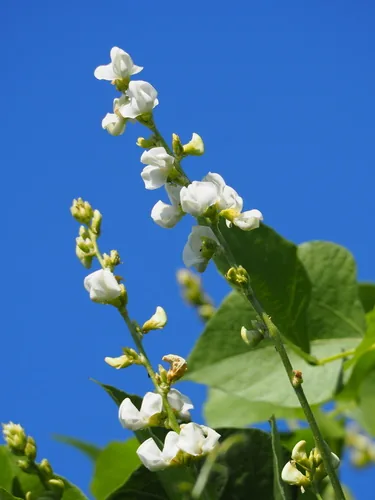
Hyacinth bean is the purple-flowered vine that makes fences look goth and edible at the same time — if you cook the right cultivar stage because raw dry seeds are not a prank worth trying. In frost-free climates it is a short-lived perennial vine; in subtropical and tropical Americas treat it as a long annual unless winter is mild and you mulch the crown. Heat lover; sulks in cold soil. Full sun for flowers and pods. Fertile, well-drained soil with steady moisture during climb and pod fill. Strong trellis; this is not a polite pea tendril — it has plans. Seeds: nick and soak; direct sow after soil warms or start indoors for head start. Save seed only from known food-grade lines — ornament types can be decorative lies. Hyacinth Bean: pick fruits young for vegetable use or fully ripe for seed and sweetness goals -- one plant rarely serves both fantasies. Cut stems morning; afternoon wilt reduces quality fast above 90°F (32°C). Check trellis daily during peak set; hidden fruits split after rain.
Permaculture Functions
- Edible: Lablab purpureus pods stay tender when young and flat -- boil or stir-fry before seeds swell; mature seeds need long cooking because raw dry legume chemistry is not negotiable.
- Nitrogen Fixer: Rhizobia on roots fix nitrogen while vines climb cornstalks or fencing -- slash residues into the bed after frost kills foliage so the next crop inherits nodulated root mass.
- Animal Fodder: Forage types produce leafy biomass palatable to cattle and goats when rotations stay short -- watch bloat risk like any lush tropical legume and never offer hungry animals a pure lablab stand.
- Ornamental: Purple-leaf selections turn trellises into vertical color blocks -- site with sun behind the viewer so translucent leaves glow; still plan for strong posts because stems lignify heavy each season.
- Pollinator: Pink-purple pea flowers open in late summer when many spring vines are done -- honeybees work the racemes for nectar before you strip pods for the kitchen.
Companion Planting
Also mentioned as companions:
- Corn
- Squash
Not yet profiled in PermiePortal
- Eating unknown ornamental cultivar seeds raw
- Shady, cold microsites
Threats & Pressure
- Aphids
- Banded Cucumber Beetle
- Bean Aphid
- Bean Weevil
- Bean Leaf Beetle
- Corn Earworm
- Cowpea Curculio
- Fall Armyworm
- Japanese Beetles
- Kudzu Bug
- Locust Borer
- Locust Leaf Miner
- Lubber Grasshopper
- Pea Moth
- Pea Weevil
- Reniform Nematode
- Root Aphid
- Soybean Looper
- Spittlebugs
- Stink Bug
- Striped Cucumber Beetle
- Spotted Cucumber Beetle
- Brown Marmorated Stink Bug
- Harlequin Ladybird
- Velvetbean Caterpillar