About
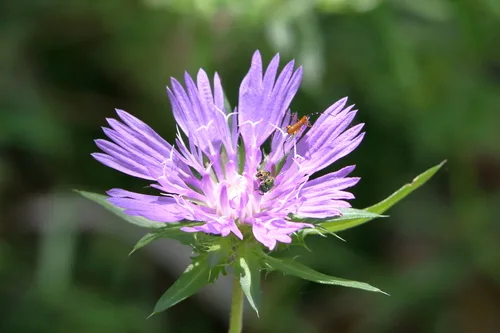
Stokes aster (Stokesia laevis) is a low perennial wildflower of southeastern pine savannas and sandy soils, bearing large lavender-blue ray flowers that read ‘aster’ without the late-fall timing of many symphyotrichums. Rosettes of basal leaves push flowering stems in warm months, feeding native bees and butterflies with accessible pollen and nectar when massed. It tolerates heat and drought once established, making it a honest front-border plant for pollinator beds and dry rain gardens. Full sun to light shade; bloom declines in dim corners. Well-drained sandy or sandy-loam soils; hates standing water. Moderate moisture improves flower size; drought shrinks but rarely kills mature clumps. Divide basal clumps in early spring as new growth appears. Root cuttings from basal offsets under humidity. Seeds germinate warm; selections are often divided to preserve flower form. Cut flowers for bouquets at early open for longest vase life. Leave late blooms if seed feeding finches fits your site ethos. Refresh tired clumps by division every few years to keep centers from going bald.
Permaculture Functions
- Pollinator: Stokesia laevis fringed cornflower-blue rays give bumblebees a landing pad in late summer -- when Echinacea is already done.
- Wildlife Attractor: Ripe achenes feed finches if you leave a few spent heads past frost -- for winter forage.
- Ornamental: Stiff white to periwinkle blooms look high-garden along front paths -- where true asters need more shade.
- Border Plant: Knee-high mounds edge sun beds -- stays upright without flopping into lower sedum carpets the way taller composites do.
- Ground Cover: Evergreen rosettes pack between switchgrass clumps -- to smother early spring chickweed in designed prairies.
Companion Planting