About
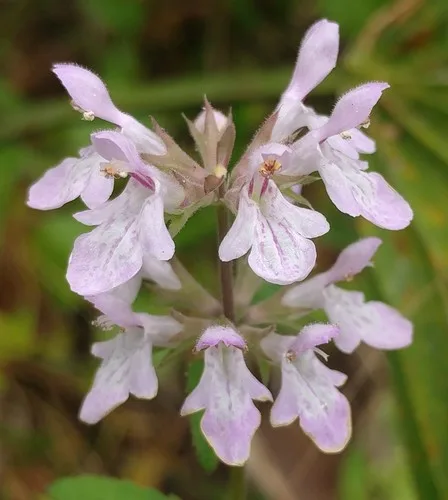
Florida betony (Stachys floridana) is a perennial herb with aromatic leaves and upright spikes of flowers that often show up as steady mid-season color. It is native to warm temperate regions of North America and typically grows about 30–80 cm (12–31 in) tall depending on soil and rainfall. In permaculture, it matters because it gives you a reliable medicinal herb patch plus a dependable nectar source, so beneficial insects stay present during the times when many gardens feel suddenly “empty.” Full sun to partial shade; in hotter climates, some afternoon shade helps. Water moderately during active growth; establish well, then allow light dry spells. Prefers well-drained soil with compost; avoid long-term waterlogging. Performs best with steady moisture in the first year. Seeds: sow on the surface or lightly cover; keep evenly moist until germination (often 2–4 weeks). Division: split clumps in spring or early fall and replant immediately. Cuttings: take soft tips during warm season and root under humidity. Harvest leaves before flowering for a milder herb pick; harvest again after blooms if you need more material. Collect flower spikes when they open for teas or infused oils. Dry gently in airflow and store cool to preserve aroma.
Permaculture Functions
- Medicinal: Aromatic mint-family leaves are traditional for mild digestive tea and topical washes -- Stachys floridana is not the same European wood betony (Stachys officinalis); verify Latin name on dried labels.
- Pollinator: Whorled pink-lavender spikes open midsummer and feed bumblebees and small solitary bees -- when basil has already bolted woody in heat.
- Wildlife Attractor: Upright clumps give cover for predatory ground beetles moving between vegetable rows at night -- when mulch is thin.
- Border Plant: Foot-tall drifts edge sunny herb beds where you want vertical flower spikes -- without shrub shade on southern peppers.
- Ground Cover: Spreads by underground tubers on moist sites -- expect to dig candy-like roots from paths if you let it wander; some cooks roast small tubers like nuts after positive ID.
Field Observations
- No field observations yet
Companion Planting