About
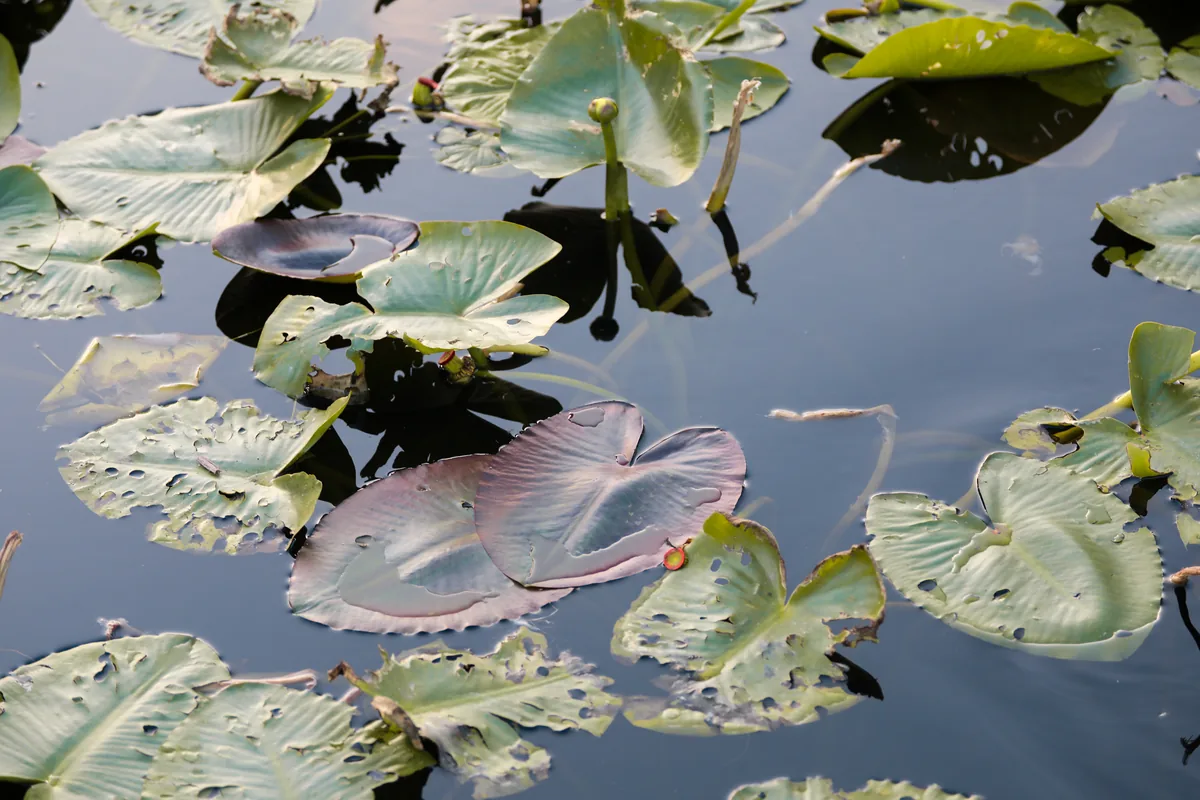
Spatterdock is the chunky yellow waterlily of Florida ponds — big heart-shaped leaves that often stand above the water, and globular yellow flowers that look nothing like a fancy hybrid lily. Rhizomes, young leaves, and seeds have a long record of human use where people knew the local species and cooking methods; always confirm ID and processing — this is not drive-through nuggets. It anchors muck, gives turtles something to sun on, and makes a pond look like a place that predates HOAs. Full sun for heavy bloom and growth. Shallow to several feet of still or slow water over rich bottom mud. Spreads by thick rhizomes; plan space or plan to thin. Rhizome chunks with growing tips planted into submerged soil. Seed after ripe collection; slow compared to division. Harvest Spatterdock in warm active growth when leaves or shoots look crisp, before yellow water-stress marches in. Morning picks ship better than wilted afternoon drama -- rinse grit in clean water, not pond soup. Use quickly or blanch and freeze; aquatic tissues turn slimy faster than upland herbs in plastic bags.
Permaculture Functions
- Edible: Nuphar advena starchy rhizomes and parboiled young leaves entered Indigenous food prep after leaching tannins -- modern foragers still run ID and permit checks before harvesting public waters.
- Wildlife Attractor: Yellow brandy-bottle blooms feed day-flying pollinators -- while floating pads shelter sunfish fry and basking sliders in warm shallows.
- Erosion Control: Thick rhizome carpets anchor muck against motorboat wakes on lake margins -- where bare soil would lift as plumes.
- Border Plant: Raised heart-shaped pads and upright flowers frame pond edges louder -- than ornamental pond kits ever manage.
Companion Planting