About
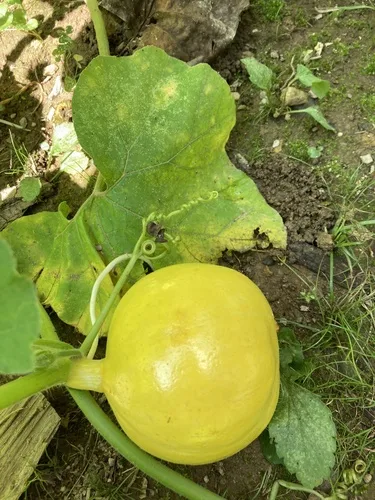
Winter squash (Cucurbita maxima) is a warm-season vine grown for its thick-rinded, storage-friendly fruits harvested at full maturity. It is native to the Americas and now thrives across temperate-to-subtropical gardens where warm seasons are long enough. Plants sprawl with large leaves and tendrils and typically reach a few meters in spread depending on spacing and training. In permaculture, winter squash matters because it produces serious off-season calories and its dense canopy shades soil, moderates evaporation, and reduces weed pressure while you wait for longer crop cycles to finish. Full sun for strong vine growth and fruit maturation. Water consistently as vines establish and fruits size up; drought reduces fruit quality. Prefers fertile, well-drained soil amended with compost. Avoid waterlogged soil to reduce vine/fruit rot. Seeds (direct sow): sow after soil warms and frost risk passes; germination often occurs in 5–10 days. Start indoors: transplant carefully when seedlings are sturdy if your season is short. Relay sow: plant in small batches to spread harvest risk. Harvest when rind is hard and stems are dry/corky; then cure in warm, dry airflow. Store in a cool, dry place for months. Use flesh for roasting, soups, pies, and freezing.
Permaculture Functions
- Edible: Cucurbita maxima hubbards and kabochas store six months in cool dry air -- thick rinds need full-season heat to mature.
- Ground Cover: 6 m vines smother beds with prickly hairs -- mulch paths or train vines to avoid grass invasion.
- Water Retention: Huge pubescent leaves shade soil and cut evaporation from fruit skins -- still need even water during fruit swell to avoid blossom-end rot.
Companion Planting
Also mentioned as companions:
- Corn
Not yet profiled in PermiePortal
- Keep fruit off wet soil to avoid rot.