About
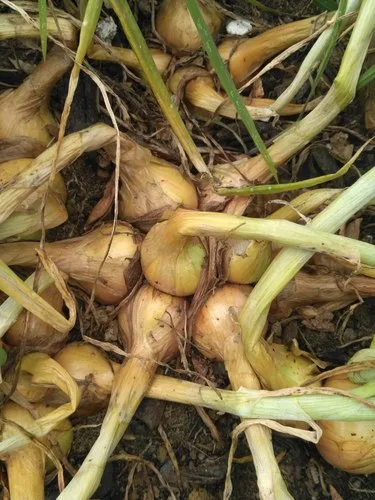
Shallot (Allium cepa var. aggregatum) is an allium grown for its mild, multi-clove bulbs and flavorful greens. It is native to parts of Europe and Asia and is widely cultivated as a cool-season vegetable that stores well. Plants typically reach about 25–45 cm (10–18 in) tall with clustered bulbs underground. In permaculture, shallots matter because they provide reliable edible harvests while their strong allium scent helps confuse some pest movement and supports rotation diversity—an underrated system-level advantage. Full sun for best bulb development; partial shade reduces size. Moderate water during establishment and leaf growth; avoid waterlogging. Prefers fertile, well-drained soil amended with compost. Heat spikes can reduce bulb quality; mulch helps stabilize moisture. Sets/cloves: plant separated cloves (or shallot “seed” bulbs) in cool soil; germination typically occurs in 1–2 weeks. Seeds: start indoors and transplant, but it can take longer to reach good bulb size. Division: keep the healthiest bulbs for the next season’s sets. Harvest when tops start to yellow and fall over; cure bulbs in airflow. Use fresh greens early, then harvest bulbs when fully formed. Store cool and dry for later cooking.
Permaculture Functions
- Edible: Allium cepa var. aggregatum divides into clustered cloves mild enough for raw pickle yet sweet enough under duck fat -- cure until necks tighten for winter cellar storage.
- Pest Management: Allyl sulfides released from bruised foliage confuse carrot rust flies and onion maggot adults -- when shallow-rooted carrot rows flank shallot drills in tight rotations.
- Medicinal: Fermented syrup traditions sit beside documented circulatory sulfur chemistry -- reserve therapeutic claims for clinicians while you rely on bulbs for layered flavor first.
Companion Planting