About
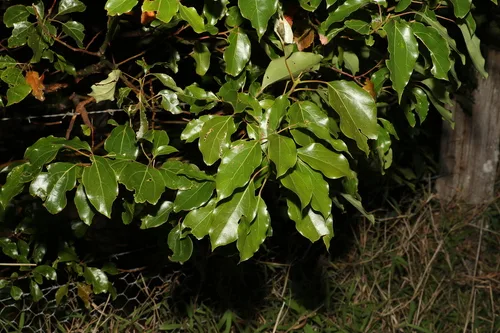
Camphor tree (Cinnamomum camphora) is an evergreen tree from East Asia with aromatic leaves and wood that release a strong camphor scent when crushed. It can grow into a substantial canopy tree, often 15–30 m (50–98 ft) tall depending on climate and management. In permaculture, it earns the “structure” role: it shades understory crops, slows wind, and contributes fragrant leaf litter that supports soil life while you build a long-lived canopy system. Full sun to partial shade; brighter sites generally mean denser foliage. Moderate watering during establishment, then it tolerates dry spells once rooted. Prefers well-drained soil; prolonged waterlogging stresses roots. Cold sensitivity appears as leaf damage; protect young trees during harsh freezes. Seeds: use fresh seed when possible, warm-sow first, then use stratification if germination is slow; expect weeks to a few months. Cuttings: semi-hardwood cuttings root under humidity in warm seasons, usually taking a couple of months. Transplanting: where available, plant rooted seedlings/suckers to get canopy structure faster. Harvest leaves during routine pruning and use them as mulch; refresh leaf litter to keep soil covered. Harvest aromatic material in small batches for better scent retention and easier drying. Use trimmed wood as dry-stacking feedstock for paths, trellises, or small wood chips.
Permaculture Functions
- Ornamental: keeps a broad evergreen crown with glossy camphor-scented leaves that reads as permanent structure -- along drives and food-forest margins in warm zones.
- Shade Provider: canopy filters summer sun so root zones under the dripline stay cooler -- for shade-tolerant herbs and mulch piles that would bleach in open sun.
- Windbreaker: dense branching slows desiccating winds along orchard edges -- once the scaffold matures tall enough to catch upper air movement.
- Pest Management: Crushed Cinnamomum camphora leaves release monoterpenes that can confuse some chewing insects -- when prunings are chipped lightly into guild mulch, not as a guaranteed repellent fence.
Companion Planting
- Keep leaf-litter from smothering seedlings; rake back and re-mulch after plants establish.