About
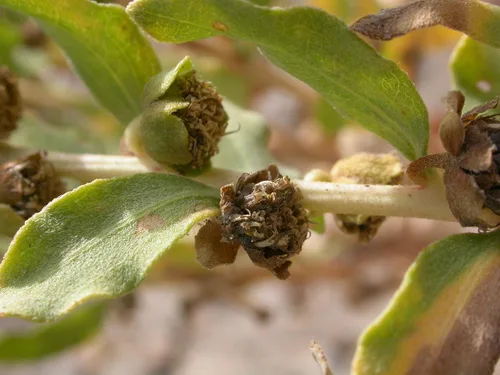
Marsh elder (Iva annua), historically called sumpweed, is a robust annual of moist riverbanks and disturbed soils in much of North America. Plants reach 1 to 3 meters (3 to 10 feet) with opposite leaves and terminal clusters of inconspicuous flowers that mature to oily seeds. It was among the eastern agricultural complexes cultivated pre-colonization, then largely abandoned in favor of other grains. Modern interest focuses on breeding for edible seed oil and for habitat restoration in wet margins where native annuals are desired. Full sun and fertile, moist but not stagnant soils maximize growth; tolerates short flooding during the growing season better than true desert annuals. Direct-sow after last frost into warm soil, or start indoors for short seasons. Thin to strong spacing to reduce lodging in wind. Harvest seed heads when dry and seeds detach easily; winnow carefully because lightweight chaff resembles seed. Test oil processing at small scale before scaling up.
Permaculture Functions
- Edible: Seeds yield edible oil with labor-intensive processing -- archeological interest is high, modern kitchen use is niche until improved varieties reduce handling pain.
- Wildlife Attractor: Seeds feed waterfowl and songbirds in autumn -- leave standing patches in restoration sites if erosion control allows.
- Dynamic Accumulator: Fast growth pulls nutrients from fertile wet margins -- biomass can feed compost when pulled before seed set in managed beds.
- Biomass: Tall stems add carbon to chop-and-drop along ditches -- pair with species that tolerate rapid decomposition in wet air.
- Pollinator: Inflorescences support generalist pollinators during late summer -- fills nectar gaps when many spring plants are finished.
Companion Planting
Threats & Pressure