About
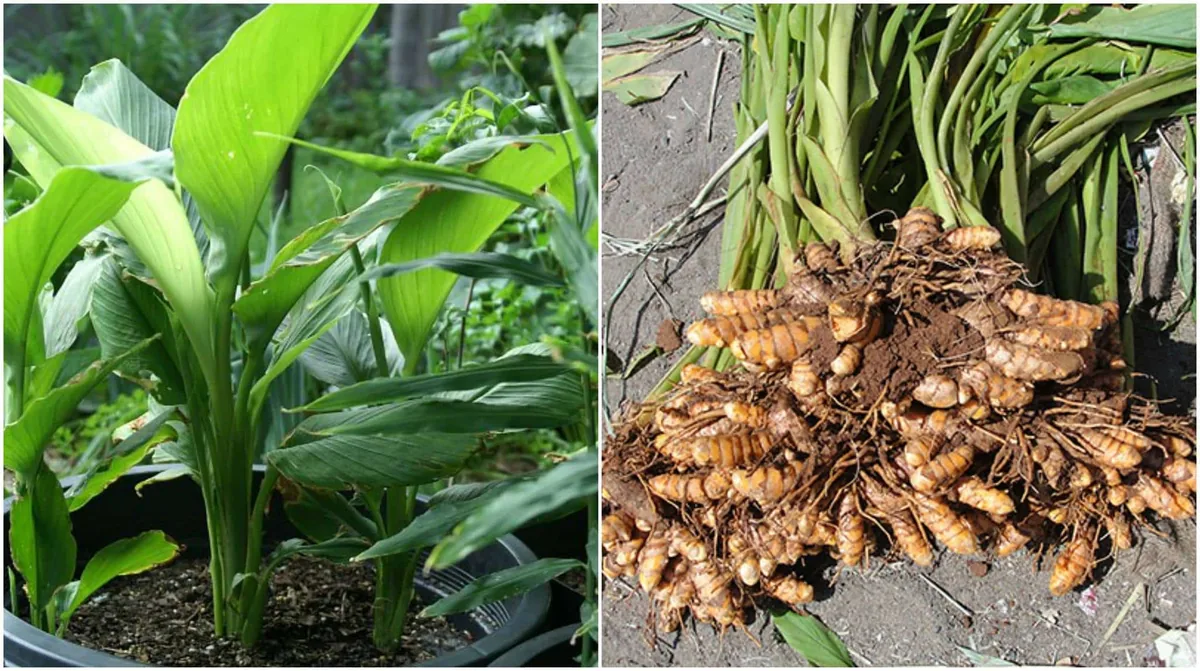
Turmeric is a tropical, rhizomatous herbaceous perennial plant that grows up to 1 meter (3 feet) tall. It produces large, oblong green leaves and stunning yellow or orange flowers. The underground rhizome is the most valued part of the plant and is commonly used as a spice, dye, and medicinal remedy. Turmeric thrives in warm, humid conditions with consistent moisture and well-drained, fertile soil. It prefers partial to full sun exposure and can be grown in containers in cooler climates. Prefers partial to full sun (4–6+ hours of sunlight). Requires well-drained, loamy soil rich in organic matter. Benefits from consistent moisture, but avoid waterlogging. Rhizomes: Propagated by planting healthy rhizome pieces with at least one bud. Time: Plant in early spring after the last frost or when soil temperature is above 68°F (20°C). Ready for harvest in 7–10 months when leaves turn yellow and begin to dry. Carefully dig up the rhizomes, clean, and cure them for storage.
Permaculture Functions
- Edible: Mature rhizomes are boiled, dried, and ground into curry powder -- fresh young fingers grate bright and peppery into pickles and rice dishes eight to ten months after planting.
- Medicinal: Curcuminoid-rich rhizome is traditional for joint comfort and digestive heat in Ayurvedic practice -- black pepper improves absorption in simple kitchen formulas; gallbladder disease and blood thinners are common contraindications to research first.
- Mulcher: Broad leaves sheared at dormancy make a quick yellow mulch layer under banana or papaya -- where they disappear within weeks in humid heat.
- Dynamic Accumulator: Rhizome harvest pulls stored starch and minerals from the upper soil profile -- composting spent mother pieces returns the ash fraction to the bed for the next cycle.
- Ornamental: Tall pleated leaves and short spikes of pale yellow orchid-like flowers give a tropical look in temperate polytunnels -- where the plant behaves like a seasonal foliage focal.
- Pollinator: Nectar from Curcuma spikes feeds small bees and flower flies on days -- when the greenhouse vents are open and little else is blooming inside.
Field Observations
- No field observations yet
Companion Planting
Also mentioned as companions:
- Chili Pepper
Not yet profiled in PermiePortal
- None reported
Threats & Pressure