About
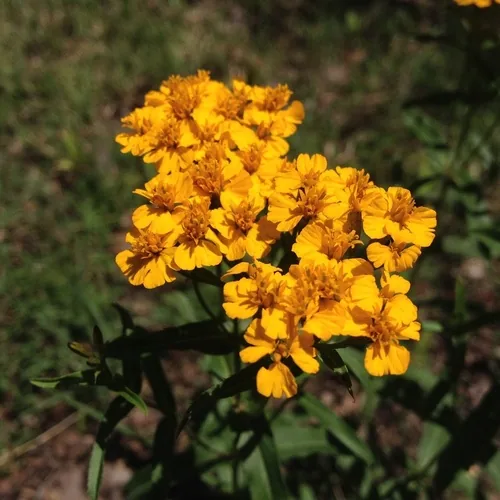
Mexican tarragon is the anise-flavored marigold that fakes tarragon in heat where French tarragon sulks. Tea, mole herbs, pollinator bait—pick your lane. Dies back in hard frost; returns from roots in mild 9a/b if mulched. In cold snaps it becomes a memory unless potted. Sun and water: Full sun for dense oils and upright habit. Average, well-drained soil; drought-tolerant once established but wilts dramatically when thirsty—mostly theater. Cuttings root easily; seeds for diversity; divide clumps in spring. Snip tender Mexican Tarragon growth in cool mornings for best texture -- heat-stressed leaves taste like their day job. Flowers at full color for peak volatiles; seeds when pods rattle but before they self-sow across paths. Dry herbs in thin layers; deep piles steam themselves into compost.
Permaculture Functions
- Edible: Tagetes lucida leaves carry sweet anise-marigold flavor for moles, beans, and teas where French tarragon wilts in heat -- harvest cool mornings before oils turn harsh.
- Medicinal: Traditional digestive and calming teas use aerial parts where lineage supports dosing -- dry before hard frost if winter shelves need full jars.
- Ornamental: Upright clumps of gold daisies and narrow leaves read like a perennial herb with garden manners -- pot in cold zones because hard frost erases tops.
- Wildlife Attractor: Late nectar feeds butterflies and small bees after basil bolts -- leave some flowers if pollinator traffic matters more than perfect picks.
Companion Planting
- Boggy shade
- Overwatering in cool weather
Threats & Pressure