About
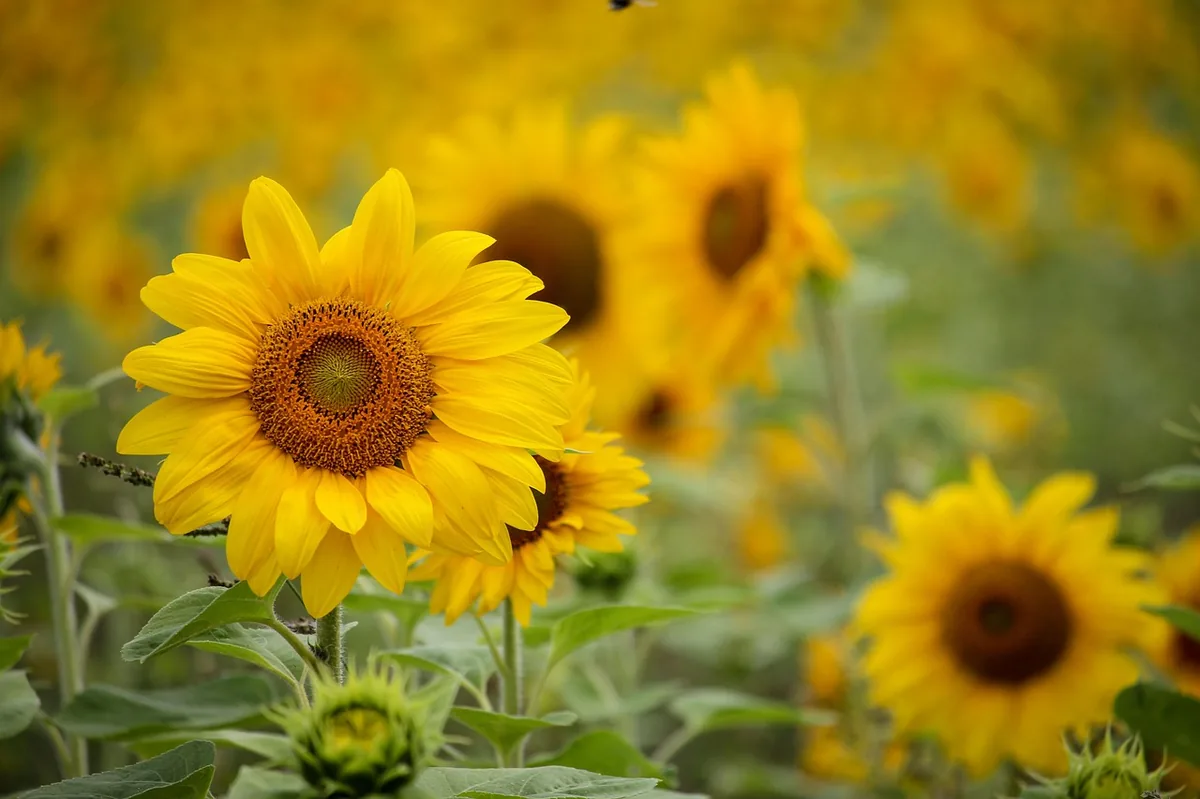
Sunflowers are tall, annual plants with large, bright yellow flowers that can grow up to 3.6 meters (12 feet) in height. They have deep taproots that improve soil structure and reduce erosion. The flowers produce abundant nectar and pollen, attracting bees, butterflies, and birds. The plant thrives in full sun and well-drained soil. It is drought-tolerant once established and can grow in a variety of soil conditions. Sunflowers are commonly used as windbreaks, living fences, and companion plants. Prefers full sun (6-8 hours of direct sunlight daily). Drought-tolerant but benefits from moderate watering. Grows well in well-drained, sandy or loamy soils. Seeds: Direct sow in the garden after the last frost when the soil is at least 10°C (50°F). Spacing: Plant seeds 2.5 cm (1 inch) deep, spaced 30 cm (12 inches) apart. Flowers bloom in summer and early fall. Harvest seeds when the back of the flower head turns brown. Allow seeds to dry completely before storage.
Permaculture Functions
- Edible: Helianthus annuus kernels run forty to fifty percent oil by weight on oilseed types -- eat raw, sprout carefully for salad crunch, or press for high-oleic cooking oil once you win the race with birds and mold.
- Wildlife Attractor: Finches cling to drying heads in September and strip hulls before you get the five-gallon bucket out -- leave sacrificial heads on tall stalks if you want winter songbirds without feeders.
- Pollinator: Composite heads pack hundreds of disc florets that shed pollen for weeks while ray petals advertise from across the field -- long-horned bees in the Melissodes group often specialize on Helianthus where both still overlap on the farm.
- Mulcher: Leaves the size of dinner plates hit the ground after first frost and make a fast brown layer under fruit trees -- chop stalks with loppers before spring so they do not tangle tiller tines if you still cultivate.
- Dynamic Accumulator: Deep taproot pulls potassium into stem tissue that shows up in ash-green petioles -- when you chip stalks into compost, that potassium rides into the pile instead of staying locked below old plow depth.
- Erosion Control: Fibrous brace roots spread from the sixth node down and anchor stalks on sandy melon ground where irrigation would otherwise undercut hills -- living roots stay active until hard freeze kills the annual crown.
- Windbreaker: Six-foot (1.8 m) oil types planted on six-inch spacing in a single row cut orchard wind enough to protect young citrus whips -- twelve-foot (3.7 m) giants need T-posts or they lever out in summer squalls.
- Border Plant: Dense summer screen along chain link hides compost piles from street view yet dies back in winter so southern light still reaches greenhouse glazing -- stagger heights by cultivar for less monolithic silhouette.
- Biofuel: High-linoleic lines historically fed small-batch biodiesel reactors on farms that already owned presses -- economics favor feed-grade oil today, but the chemistry still works if you filter waxes cold before injection pumps see it.
Companion Planting
Threats & Pressure