About
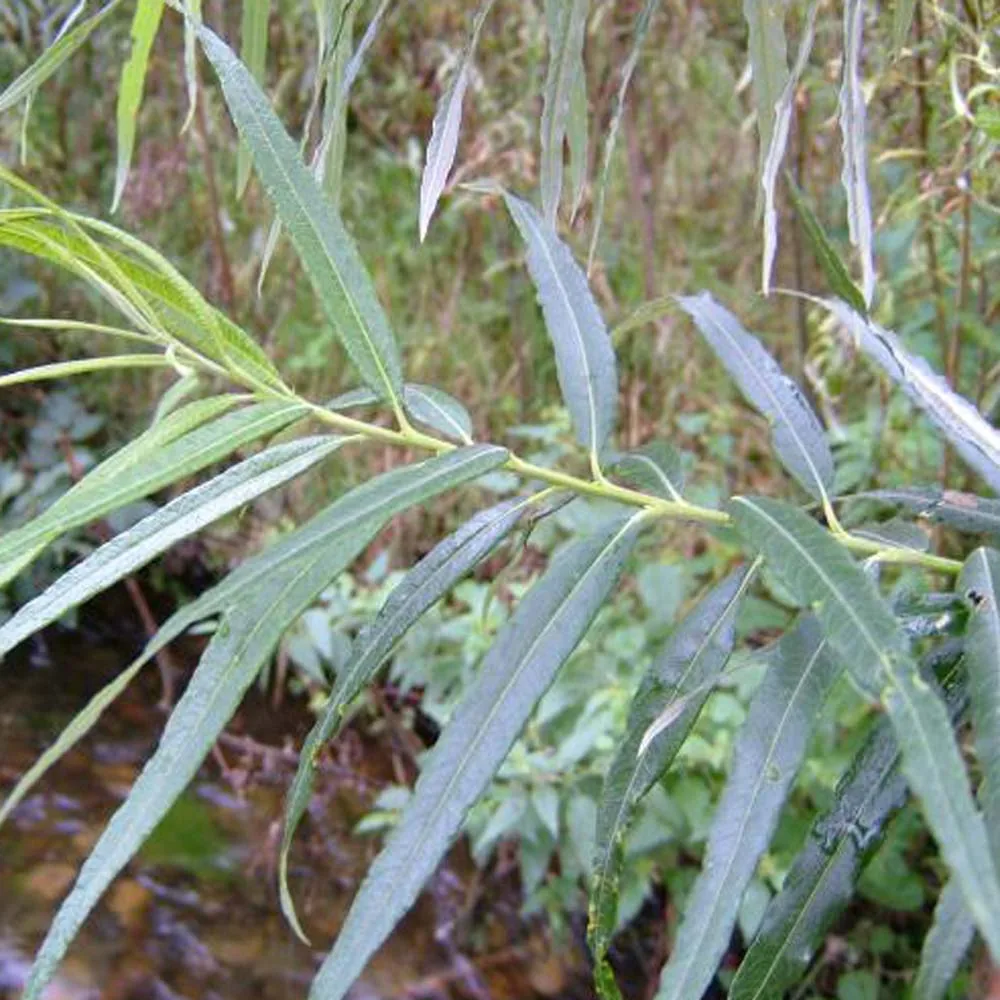
Osier Willow (Salix viminalis) is a fast-growing, deciduous shrub or small tree known for its long, flexible branches that make it ideal for basket weaving and coppicing. It thrives in moist soils and is often found along riverbanks and wetlands. The tree provides valuable wildlife habitat, erosion control, and windbreak functions in a permaculture system. Prefers full sun but tolerates partial shade. Thrives in moist, well-drained soil but tolerates waterlogged conditions. Requires moderate to high watering, especially in dry climates. Cuttings: Root easily from hardwood cuttings in late winter or early spring. Seeds: Can be grown from seed but is less common due to the ease of propagation from cuttings. Coppicing: Can be cut back regularly to encourage new growth. Branches for weaving should be harvested in winter when dormant. Coppiced wood can be cut back every 1-2 years for optimal growth.
Permaculture Functions
- Wildlife Attractor: Catkins on Salix viminalis feed early bees while flexible thickets give cover for warblers, willow tits, and overwintering insects along riparian edges -- leave some uncoppiced stems if you want cavity-nesting birds later.
- Erosion Control: Aggressive fibrous roots bind streambanks, pond berms, and dredge spoils where annuals wash away -- pair planting with harvest plan so roots do not creep into septic fields or foundations.
- Windbreaker: Tall rod clones in staggered double rows trim wind across livestock lanes and polytunnels without dense evergreen shade -- winter dieback of leaves returns light when solar gain matters.
- Border Plant: Annual or biennial stool beds along fencelines produce straight withies for wattle fencing and living willow tunnels -- weave fresh rods each winter before bark thickens past basket-grade flexibility.
- Dynamic Accumulator: Deep roots mine nitrate, phosphate, and zinc from vadose zones into leaf biomass -- chip coppice residues back onto beds receiving runoff from manure storage to capture leached nutrients before groundwater.
- Mulcher: Two-year chip-and-drop cycles drop high-nitrogen leaves that heat compost piles fast -- mix with oat straw or wood chips so the blend does not go anaerobic slime in humid weeks.
- Animal Fodder: Young leaves and tender tips accept browsing by sheep, goats, and rabbits when rotated before lignification -- salicin chemistry limits monodiets, so pair willow blocks with grass hay.
- Water Purification: Dense root mats along waterways filter runoff -- phytoremediation trials show significant uptake of heavy metals and excess nutrients from riparian margins.
Companion Planting
Also mentioned as companions:
- Willow
Not yet profiled in PermiePortal
- Walnut
Threats & Pressure