About
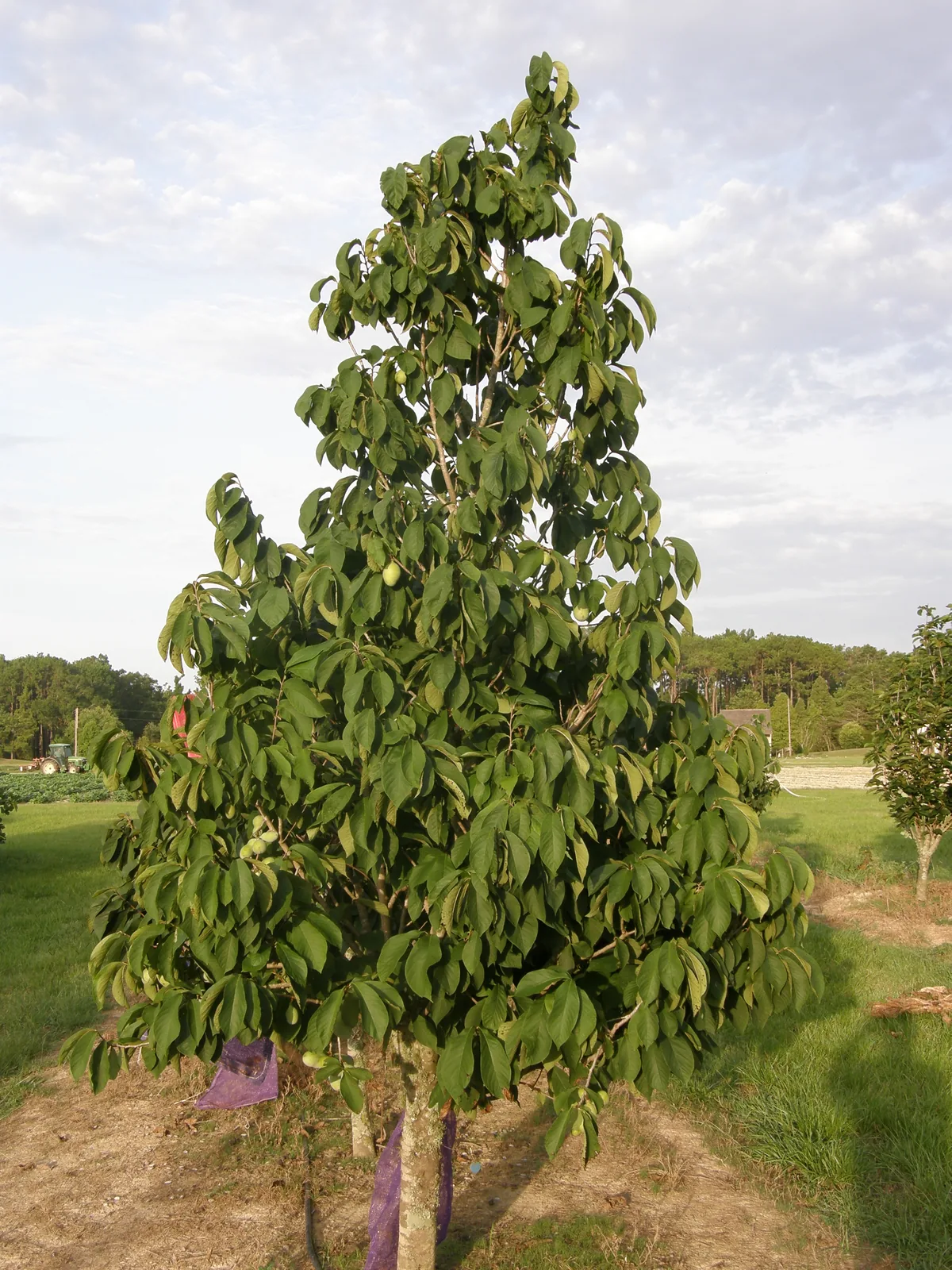
Pawpaw is North America’s native annonaceous fruit — custardy, tropical-candy flavor from a tree that laughs at eastern winters. Clonal thickets are normal; fruit set improves with genetic diversity, so plant at least two unrelated seedlings or grafted cultivars. subtropical and tropical Americas: thrives in rich bottomlands and part shade; protect young trees from full blasting sun and from deer that browse leaves. Young trees: part shade; mature tolerate more sun with deep mulch and moisture. Likes steady moisture and deep organic soil; tolerates wet feet better than drought. Seeds: keep moist — they do not tolerate desiccation; long taproot, transplant carefully. Grafting named varieties for quality. Zebra swallowtail caterpillars eat leaves — that is a feature, not a crisis. Pawpaw: pick when full color, slight give, and aroma align -- early picks often ripen off-tree in a 65-72°F (18-22°C) room. Taste-test one fruit per tree sector; sun-exposed shoulders ripen faster than shaded interiors. Process windfalls within hours for jam or pulp; leaving them invites fruit fly internships.
Permaculture Functions
- Edible: Ripe Asimina pulp is custard-sweet chilled or frozen; seeds carry acetogenins and belong in the compost, not the snack bowl -- harvest when skin yellows, fruit yields slightly, and the stem-end perfume matches flavor, then ripen stubborn picks off the tree in a cool room.
- Wildlife Attractor: Maroon carrion-scented flowers draw blow flies and beetles that pollinate better than honeybees here -- zebra swallowtail larvae chew young leaves; plan for some ragged foliage if you want the butterfly on site.
- Shade Provider: Clonal thickets top out modest height with big oblong leaves that give dappled shade for ginseng, ramps, or shade lettuce -- while roots still hunt deep moisture in bottomland soils.
- Mulcher: Single leaves exceed dinner-plate size and drop in autumn as a thick mat that shades soil biology through winter -- rake piles into guild beds where they break down to a dark layer by spring planting.
Companion Planting
- Windy dry dunes with zero irrigation