About
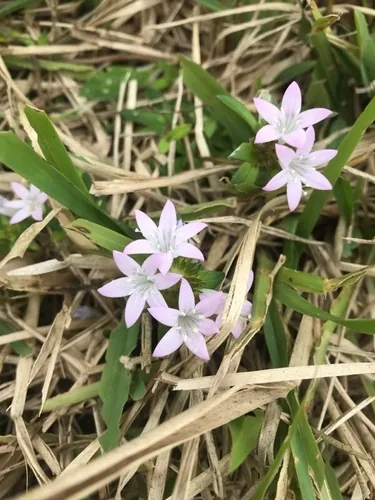
Florida pusley (Richardia scabra) is a low, branching annual to short-lived perennial forb of disturbed ground, lawns, and field edges across warm parts of the Americas, with whorled leaves, small white flowers, and a tolerance for mowing that turf managers find rude. It is listed by some sources as a mild edible green when young—identification and clean sites matter more than enthusiasm. Ecologically, it is a living diagnostic of compaction, irrigation schedules, and soil fertility patterns: abundant pusley usually means the ground is telling you a story you tried to mute with grass seed. Full sun to light shade; thrives where soil stays intermittently moist and fertility is modest to high. Tolerates drought once established but looks lush with lawn-level irrigation—hence the conflict. Poor drainage plus overwatering produces mats; reducing irrigation shifts competition back toward chosen ground covers. Seeds germinate quickly on disturbed soil; rake-exposed beds repopulate in warm weather. Stem fragments can reroot in wet conditions—clean tools between beds if you need to limit spread. If foraging, collect young leaves before flowering from unsprayed areas; wash well. For management, mow or hand-pull before seed set to slow bank deposits in managed turf.
Permaculture Functions
- Ground Cover: Richardia scabra whorled leaves knit low mats in over-irrigated turf diagnostics -- where soil tests high phosphorus and crabgrass gives up shade competition on the same St. Augustine mistakes you finally metered.
- Wildlife Attractor: Tiny white rubiaceous flowers feed minute sweat bees ignored by designers who only plant Echinacea billboard cultivars on the same lawn-to-meadow conversion strips you photograph at noon -- for honest nectar presentation.
- Mulcher: Ripped mats compost fast when turned into piles before seed set -- banked seeds still survive years so combine biomass return with fertility reduction instead of naive mulch alone pretending seed banks vanished.
- Edible: Young leaves entered some Latin foraging lists after heavy washing off petrochemical lawns -- verify whorled ID against bedstraw look-alikes before salad ambition on any ditch bank you did not soil-test for salt drift.
Companion Planting
Threats & Pressure