About
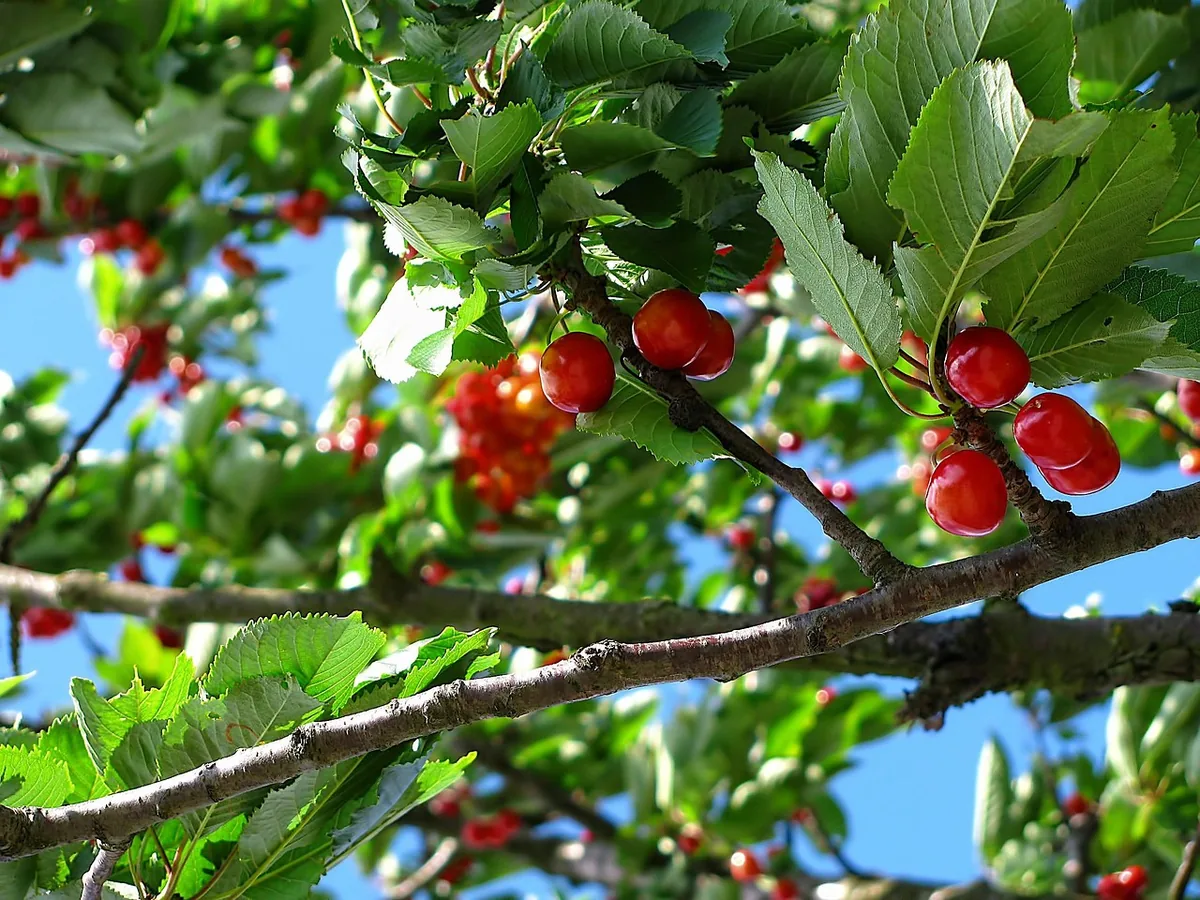
Barbados Cherry is a tropical evergreen shrub or small tree that can reach heights of up to 3.6 meters (12 feet). It develops a thick, rounded canopy with fairly delicate foliage. The plant produces small, pink or rosy flowers, approximately 2 centimeters (nearly one inch) in diameter, which appear periodically from April to October. These blossoms give way to bright red, cherry-like drupes that are high in vitamin C and can be eaten raw or made into jams, syrups, or juices. This plant thrives in full sun to light shade and prefers well-drained soil enriched with organic compost. Once established, it is drought-tolerant but benefits from regular watering during prolonged dry periods. Propagation is typically achieved through seeds or cuttings. Seeds should be sown in well-drained soil, while semi-hardwood cuttings can be rooted under appropriate conditions. The fruits ripen sporadically from spring through December. Harvesting should occur when the fruits are fully colored and slightly soft to the touch, indicating peak ripeness and optimal flavor.
Permaculture Functions
- Edible: Malpighia emarginata bright red drupes run tart-sweet out of hand and higher in vitamin C weight-for-weight than oranges -- fruit ripens in waves spring through fall, so pick daily during glut weeks before soft collapse.
- Medicinal: Folk syrups use fruit for winter tonic blends while bark teas appear in Caribbean herbals -- keep antioxidant marketing separate from blood-sugar monitoring if you are already on meds.
- Wildlife Attractor: Ripe cherries pull mockingbirds, anoles, and butterflies to the same shrub humans net -- leave interior branches unpruned if lizards need cover from midday heat.
- Ornamental: Shell-pink flowers against glossy evergreen leaves read as tidy dooryard citrus alternative without giant tree space -- iron chlorosis on alkaline irrigation shows as yellow veins on new growth first.
Companion Planting
Threats & Pressure