About
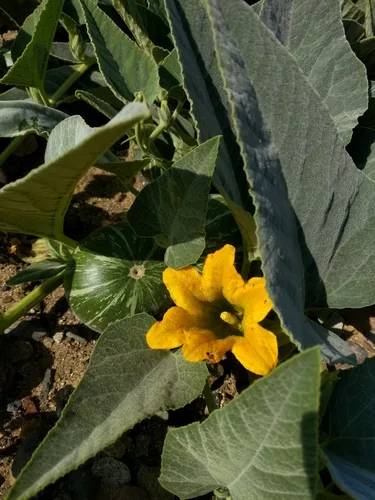
Buffalo gourd is the xeric cucurbit that smells like gym socks and still fed people, oil presses, and craft projects where water was a rumor. Roots run deep; fruits are small and attitude-heavy. Tolerates heat and sand; hates constant wet feet—give it lean, sunny ground or watch it sulk fungal. Sun and water: Full sun. Very drought-tolerant once established; occasional deep soak mimics desert arroyo logic better than daily spritzing. Seeds; taproot makes transplant of large plants a bad bet. Buffalo Gourd: pick fruits young for vegetable use or fully ripe for seed and sweetness goals -- one plant rarely serves both fantasies. Cut stems morning; afternoon wilt reduces quality fast above 90°F (32°C). Check trellis daily during peak set; hidden fruits split after rain.
Permaculture Functions
- Edible: Cucurbita foetidissima seeds yield edible oil after slow roast and press routines documented in Southwestern kitchens -- not something you crack straight off the vine like a melon.
- Fiber: Mature gourds cure into hard shells for rattles and dippers once odor fades, -- while inner fibers strip for rough cordage if you soak and beat pulp patiently.
- Ground Cover: Silver vines scramble three meters a season from a deep taproot -- shading arroyo banks where shallow annuals desiccate by June.
- Wildlife Attractor: Coyotes and rodents cache bitter seeds anyway -- so leave far fruit if you want seedling recruitment downwash, not beside irrigated melons.
Companion Planting
- Irrigated lawn culture
- Eating random wild cucurbits without positive ID
- Desert legumes