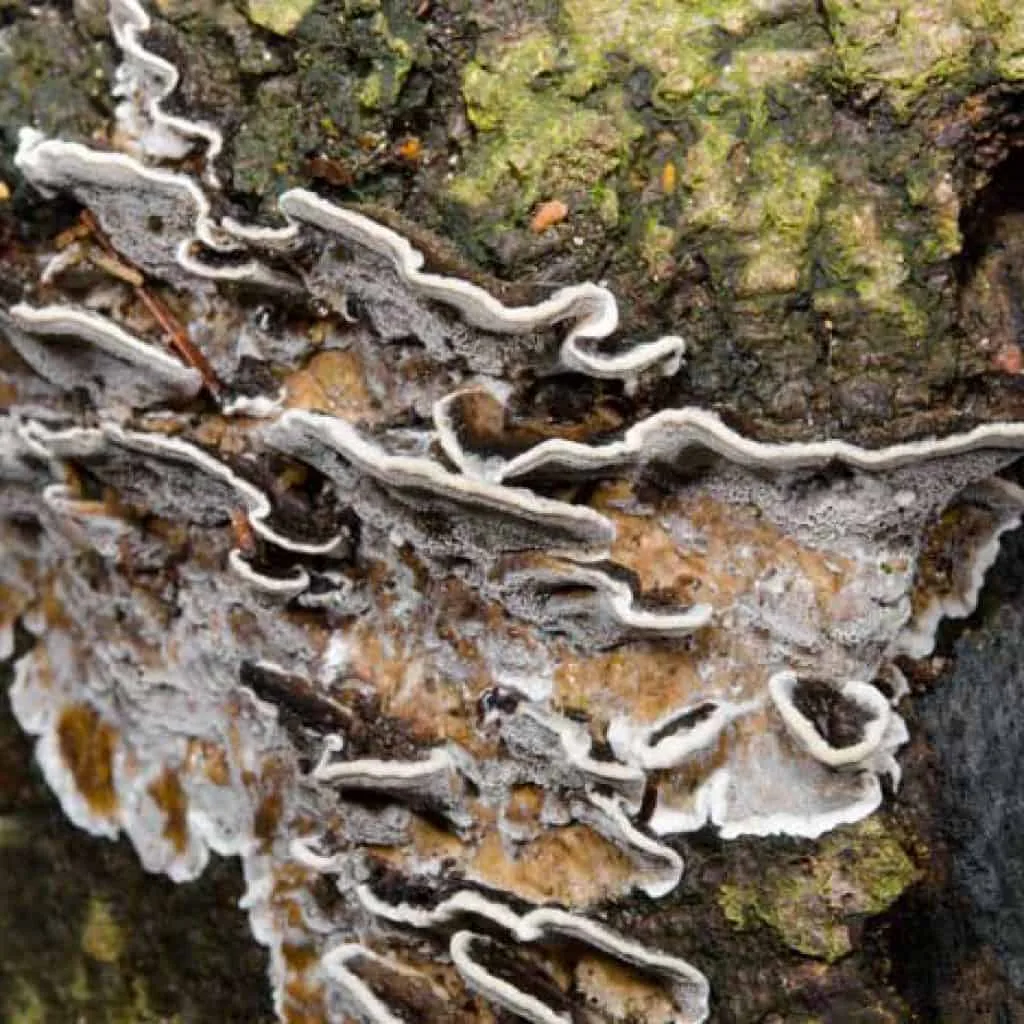
Field Identification
If leaves, stems, or fruit suddenly look spotted, sunken, or rotting, white rot may already be active. This problem often starts small, then spreads across healthy tissue before most growers realize how serious it is. Warmth, moisture, and crowded foliage usually speed it up. Treat early, because waiting even a few days can turn a manageable infection into major crop loss.
Look for a pattern, not one bad leaf: expanding spots, dark or pale halos, fuzzy growth, or tissue that collapses when touched. Check both leaf surfaces, stem bases, and fruit scars where symptoms first appear. New lesions after rain, overhead watering, or heavy dew are a strong clue. When separate spots begin merging into larger dead patches, the disease is advancing quickly.
Not sure what you have? Use the symptom diagnosis tool →
How to Deal With It
Organic Control Methods
Coniothyrium minitans (Contans WG) is a commercially available fungal parasite that specifically attacks Sclerotinia sclerotiorum sclerotia in soil -- the resting bodies that allow white rot to persist for 20+ years. Apply to soil before planting susceptible crops and incorporate shallowly. It takes months to work but provides multi-season suppression. Bacillus subtilis and Trichoderma products colonize soil competitively around roots and reduce Sclerotinia infection rates. Healthy diverse soil biology generally suppresses Sclerotinia more than sterile or depleted soils.
White rot (Sclerotinia sclerotiorum) produces white cottony mycelium with black mustard-seed-sized sclerotia on infected stems and crowns -- unmistakable when present. It infects through flowers and dead tissue, then spreads into stems causing sudden wilting and collapse. Sclerotia persist in soil for 20+ years making rotation ineffective without at least 5-6 year breaks from susceptible hosts. Avoid overhead irrigation that keeps canopy wet. Remove and destroy all infected plant material including root crowns immediately -- never compost.
Wide plant spacing for maximum air circulation is the most impactful cultural practice -- dense canopies that stay humid for extended periods after rain are highest risk. Avoid overhead irrigation -- drip irrigation keeps the canopy dry and dramatically reduces infection. Remove and destroy all infected plant material including roots and surrounding soil immediately. Do not compost or chip infected material. Incorporate Coniothyrium minitans into crop rotation plans for fields with a history of white rot.
Remove infected plants immediately including the full root crown and a trowel of surrounding soil -- sclerotia in soil spread the infection to adjacent plants. Bag for disposal, never compost. Soil solarization (clear plastic over moist soil for 6-8 weeks in summer) reduces sclerotia viability in the top 6 inches of soil where most infections originate. Avoid any tillage that moves infected soil to new areas.
Copper-based fungicides applied preventively during high-risk flowering periods reduce infection rates -- apply before wet weather when blossoms are open. Bacillus subtilis (Serenade) as a preventive foliar spray during flowering provides some protection against blossom infection. Potassium bicarbonate kills Sclerotinia spores on contact. No spray cures white rot already established in plant tissue -- remove infected plants immediately and protect healthy ones.
Let Nature Handle It
Natural Enemies
- Beneficial Microbes
- Antagonistic Fungi
Threat Map