Field Identification
If leaves look shredded overnight or fruit has fresh chew holes, cabbage looper may be feeding right now. These larvae can eat fast and strip a healthy plant in a short window. Young stages are easy to miss, then damage suddenly explodes as they grow. Catch them early to avoid severe defoliation and contaminated harvests.
Check leaf undersides, growing tips, and stem junctions for eggs, frass pellets, and feeding scars. Larvae vary in color, but most have a soft segmented body and blend into foliage. Look at dusk or early morning when many species feed more actively. Fresh chewing plus live larvae or droppings on lower leaves confirms an active caterpillar outbreak.
Not sure what you have? Use the symptom diagnosis tool →
How to Deal With It
Organic Control Methods
Trichogramma egg parasitoids attack cabbage looper eggs before they hatch -- release weekly during adult moth flight. Parasitic flies (tachinids) and wasps parasitize larvae -- delay broad sprays after you notice damage to allow these beneficials to respond. Cabbage looper nuclear polyhedrosis virus (CbNPV) builds up naturally in large outbreaks -- collapsing blackened larvae are infected and beneficial to leave on plants as the virus spreads to healthy larvae. Plant dill, fennel, and sweet alyssum nearby to support parasitoid wasp populations throughout the season.
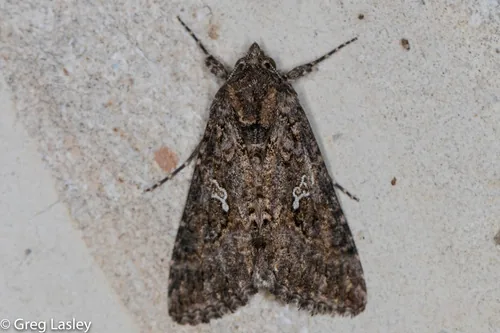
Cabbage loopers are the larvae of a mottled brown moth -- the first sign is window-pane damage where larvae eat leaf tissue from one side, leaving a thin transparent layer. This early feeding is easy to miss until holes appear. Check leaf undersides for pale green spherical eggs laid singly. Row covers installed before transplanting completely exclude egg-laying moths -- the most reliable prevention for small plantings. Light traps monitor adult moth activity and indicate when to scout intensively.
Remove crop residues promptly after harvest -- loopers pupate in plant debris and soil under host plants. Time brassica successions to avoid peak moth flight periods if you can track them locally. Interplant with dill, fennel, and aromatic herbs to support parasitoid wasps and confuse moth navigation. Cabbage loopers do not overwinter in cold climates -- they migrate north from warmer areas each season, meaning pressure varies dramatically by year.
Floating row covers over seedlings and transplants exclude adult moths from laying eggs -- remove at heading for air circulation or leave on throughout if pollination is not needed. Hand-pick larvae at night when they are actively feeding. Check leaf axils and the dense inner leaves of heading brassicas where larvae hide during the day.
Bt kurstaki or aizawai applied when larvae are under half-inch is the most effective and targeted spray -- it kills caterpillars that eat treated foliage and nothing else. Apply in the evening coating leaf axils and undersides thoroughly. Reapply every 5-7 days during peak pressure. Spinosad provides stronger knockdown on larger larvae -- apply at dusk to minimize bee exposure. Neem oil deters egg-laying and disrupts larval molting.
Let Nature Handle It
Natural Enemies
- Trichogramma spp.
- Vespid wasps
- Tachinid flies
Threat Map