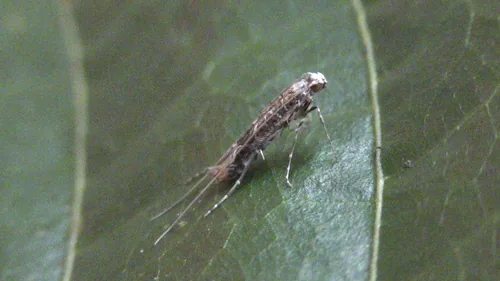
Field Identification
If new growth is curling, yellowing, sticky, or chewed, cocoa pod borer may already be on the plant. This pest often builds quietly, then damage appears all at once. Feeding stress weakens growth, reduces yield, and opens the door to secondary disease. Early cleanup is much easier than fighting a full population surge later.
Inspect the newest growth first: leaf undersides, flower buds, stem joints, and tender tips where pests gather. Look for body shape, color, eggs, cast skins, honeydew, webbing, or fresh puncture marks. A hand lens and a white paper tap test help reveal small life stages. Matching visible pests with fresh plant damage confirms active infestation.
Not sure what you have? Use the symptom diagnosis tool →
How to Deal With It
Organic Control Methods
Trichogramma wasps parasitize moth eggs on pod surfaces when releases match local flights -- order shipments timed to regional models and release in the evening onto dry pods. In some agroforestry systems, Azteca ant colonies defend cacao pods from boring larvae; that relationship is context-specific and not a houseplant you import. Generalist birds and wasps pick off adult moths at dusk. If ants also tend aphids, weigh the trade before you encourage them.
Adult moths lay eggs on young pods -- coordinate area-wide pheromone monitoring so the whole valley knows when flights peak. Remove mummified pods and black-pod debris before larvae move into soil; inoculum stacks on the ground. Quarantine pods from blocks with unknown spray history before you mix harvests for export. Train harvesters to flag pods with fresh pinholes before larvae tunnel to the placenta.
Harvest ripe pods every two weeks or faster during heavy flights so larvae do not complete development inside marketable chocolate. Shade management changes microclimate -- cooler, humid shade can slow moth activity but can favor black pod fungi; balance pod hygiene with canopy density. Prune branches that hang pods in stagnant air pockets. After outbreaks, strip remaining pods in outbreak zones and burn or bury deep per local rules.
Pod stripping removes infested pods before larvae exit -- labor-intensive but direct in small farms. Baited pheromone traps monitor male flights; they do not clear a farm alone. Fine mesh sleeves on high-value scaffold branches exclude moths in research trials; scale matters. Some growers use clean knives and gloves between trees to avoid moving eggs on tools.
Bacillus thuringiensis aizawai and spinosad must contact larvae on pod surfaces or flowers before larvae bore -- add spreader and spray to wet the whole pod. Neem rotations help in low-input blocks when export residue rules allow. Reapply after rain; tropical downpours strip sprays fast. Always follow buyer maximum residue limits; organic certification is not the same as EU import limits. Time sprays to egg hatch, not random Mondays.
Let Nature Handle It
Natural Enemies
- Trichogramma spp.
- Ants (species-dependent)
Threat Map