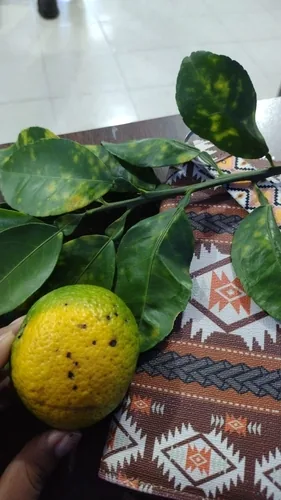
Field Identification
If new growth is curling, yellowing, sticky, or chewed, asian citrus psyllid may already be on the plant. This pest often builds quietly, then damage appears all at once. Feeding stress weakens growth, reduces yield, and opens the door to secondary disease. Early cleanup is much easier than fighting a full population surge later.
Inspect the newest growth first: leaf undersides, flower buds, stem joints, and tender tips where pests gather. Look for body shape, color, eggs, cast skins, honeydew, webbing, or fresh puncture marks. A hand lens and a white paper tap test help reveal small life stages. Matching visible pests with fresh plant damage confirms active infestation.
Not sure what you have? Use the symptom diagnosis tool →
How to Deal With It
Organic Control Methods
Tamarixia radiata is a tiny parasitic wasp that specifically attacks Asian citrus psyllid nymphs -- it has been released across Florida and California and is establishing in many areas. Do not spray broad-spectrum insecticides during psyllid flush periods -- you will destroy Tamarixia populations that provide season-long suppression. Diaphorencyrtus aligarhensis is another parasitoid wasp in the program. Lady beetles, lacewings, and syrphid fly larvae eat psyllid eggs and nymphs. Maintain diverse flowering plants near citrus.
Asian citrus psyllid is the vector of citrus greening (HLB) -- the most destructive citrus disease in the world with no cure. A single psyllid can transmit HLB in seconds of feeding on an infected tree. Only plant certified disease-free trees from licensed nurseries. Scout every flush emergence for yellow-orange pear-shaped eggs standing upright on new leaf margins and flat disk-shaped nymphs with waxy tubes. Report suspected HLB symptoms immediately to your state department of agriculture.
Coordinate psyllid management with all citrus growers in your neighborhood -- one unmanaged tree undermines everyone nearby. Manage flush timing with controlled irrigation and fertilization to reduce the window of vulnerable new growth. Remove volunteer citrus seedlings which are unmanaged hosts. Screen enclosures for young nursery trees and container citrus completely exclude psyllids.
Fine mesh insect netting over individual young trees or container citrus during flush periods completely excludes adult psyllids from laying eggs on new growth. Yellow sticky traps near citrus monitor adult psyllid movement. Reflective mulch under trees disorients psyllids landing from above.
Kaolin clay applied to new flush growth before and during psyllid flight creates a physical barrier that deters egg-laying -- apply every 5-7 days during flush. Neem oil on new growth disrupts psyllid feeding and egg-laying. Insecticidal soap kills nymphs on direct contact -- coat new flush growth thoroughly. All sprays must be timed to new growth flushes -- there is no benefit spraying between flushes when psyllids are not reproducing.
Let Nature Handle It
Natural Enemies
- Tamarixia radiata
- Diaphorencyrtus aligarhensis
- Lady Beetles
- Lacewings
Threat Map