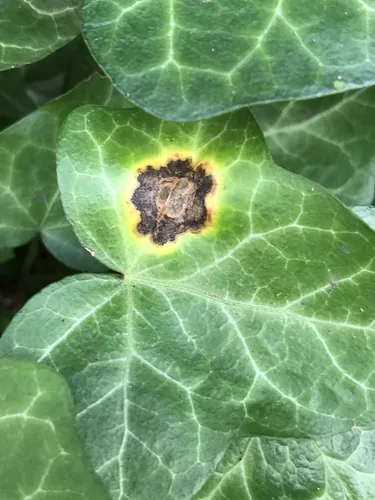
Field Identification
If leaves, stems, or fruit suddenly look spotted, sunken, or rotting, bacterial leaf spot may already be active. This problem often starts small, then spreads across healthy tissue before most growers realize how serious it is. Warmth, moisture, and crowded foliage usually speed it up. Treat early, because waiting even a few days can turn a manageable infection into major crop loss.
Look for a pattern, not one bad leaf: expanding spots, dark or pale halos, fuzzy growth, or tissue that collapses when touched. Check both leaf surfaces, stem bases, and fruit scars where symptoms first appear. New lesions after rain, overhead watering, or heavy dew are a strong clue. When separate spots begin merging into larger dead patches, the disease is advancing quickly.
Not sure what you have? Use the symptom diagnosis tool →
How to Deal With It
Organic Control Methods
Bacillus subtilis (Serenade) and B. amyloliquefaciens colonize leaf surfaces and suppress bacterial leaf spot pathogens through competitive exclusion and antibiotic production -- apply preventively every 7-10 days during wet weather. These must be applied before infection to be effective. Pseudomonas fluorescens as a foliar spray competes with bacterial pathogens on leaf surfaces. A diverse and healthy phyllosphere microbial community naturally suppresses bacterial leaf spot -- avoid sterilizing copper sprays during leaf expansion that eliminate these beneficial competing bacteria.
Bacterial leaf spot causes angular water-soaked lesions on leaves bounded by leaf veins -- this angular shape is the key diagnostic feature. On tomatoes and peppers it also causes raised scab-like spots on fruit. The bacteria spread by rain splash, overhead irrigation, and contaminated tools. They enter through stomata and wounds. Once established in a planting no spray reliably eradicates it -- prevention is everything. Purchase certified disease-free transplants. Disinfect pruning tools between plants with 70% isopropyl alcohol.
Avoid working in the garden when plants are wet -- bacterial leaf spot spreads rapidly on wet hands and tools. Use drip irrigation exclusively -- overhead irrigation is the primary spread pathway. Stake and prune for maximum airflow so leaves dry quickly after rain. Rotate susceptible crops (tomatoes, peppers, cucumbers) on 3-4 year cycles -- bacterial leaf spot overwinters in crop debris. Remove and bag infected plant material immediately, never compost.
Avoid high-pressure sprays that create wounds on leaves -- wounds are primary entry points for bacterial leaf spot. Use one-way harvest paths through plantings to reduce movement through wet canopies. Remove lower infected leaves promptly to reduce splash inoculum from soil to upper leaves.
Copper-based bactericides applied on a 7-10 day preventive schedule during wet weather are the most effective organic spray -- copper must be on leaf surfaces before infection occurs. Apply before rain events when possible. Copper has limited efficacy once infection is established. Bacillus subtilis as a rotation partner reduces resistance risk and copper accumulation in soil. Apply at dusk or early morning. Reapply after heavy rain.
Let Nature Handle It
Natural Enemies
- Bacillus subtilis
- Pseudomonas fluorescens
- Competitive Epiphytes