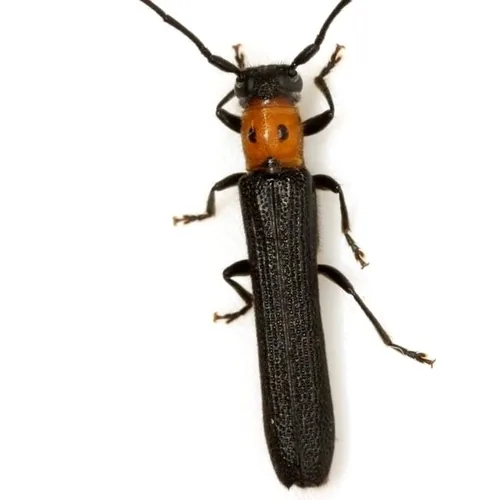
Field Identification
If new growth is curling, yellowing, sticky, or chewed, raspberry cane borer may already be on the plant. This pest often builds quietly, then damage appears all at once. Feeding stress weakens growth, reduces yield, and opens the door to secondary disease. Early cleanup is much easier than fighting a full population surge later.
Inspect the newest growth first: leaf undersides, flower buds, stem joints, and tender tips where pests gather. Look for body shape, color, eggs, cast skins, honeydew, webbing, or fresh puncture marks. A hand lens and a white paper tap test help reveal small life stages. Matching visible pests with fresh plant damage confirms active infestation.
Not sure what you have? Use the symptom diagnosis tool →
How to Deal With It
Organic Control Methods
Woodpeckers and small parasitic wasps sometimes probe soft galls and pull out longhorn larvae, but only when galls stay thin enough to crack -- deep galls hide larvae from everyone. Diverse hedgerows with blooming plants support generalist predators that intercept adult beetles resting on leaves. Avoid torching every wild blackberry edge; some of those thickets feed birds that also hunt your field. You cannot buy a reliable commercial parasitoid for this pest at backyard scale -- habitat and sanitation do most of the biological work.
Adults lay eggs on primocanes in late spring and early summer -- walk rows twice a month from knee height to flowering and slide a hand up each new cane feeling for odd swellings or a sudden change from smooth to lumpy. Flag canes with fresh punctures before galls harden. Train pickers to speak up when a cane feels corky during harvest -- that is often the first large-scale detection. Mark problem rows on a map so you cut those first next winter. If regional trials list cultivars with tighter bark or less attraction, prioritize them when you replant.
Cut infested canes at soil line as soon as you find galls in summer, or during dormancy if you flagged them earlier -- larvae tunnel down, so low cuts remove the feeding stage. Chip, burn, or hot-compost debris; do not lay whole galled canes in a loose brush pile near the patch. Thin rows so scouts can see both sides of each cane without wrestling thorns. After renovation, fertilize evenly; wildly soft, fast growth can make oviposition scars harder to spot until it is too late. Manage wild Rubus along fence lines when those banks act as uninterrupted beetle reservoirs touching your field.
On a backyard hill, saw out galled sections and bag them immediately so adult beetles cannot emerge inches from new primocanes. For larger bramble yards, mowing unmanaged Rubus outside the planting reduces adult resting spots, balanced against erosion and wildlife goals. Install T-posts and trellis wires so canes stand at angles you can inspect quickly -- flat horizontal systems hide swellings on the underside. If you catch a cane with only a pinhole and watery stain, cut six inches below the stain; waiting until the gall is walnut-sized means the larva already bored toward the crown.
Insecticidal soap and neem can reach larvae only while they are shallow under the bark -- spray within days of the first swelling when entry holes still weep. Later, sprays mostly waste money because the larva tunnels toward the pith. Spinosad or pyrethrin on young canes may knock down adult beetles during flight if labels allow brambles, but timing is tight and weather washes products fast. If you spray, coat the full cane from ground to tip and repeat after rain. Treat sprays as backup to cutting -- the real fix is removing galled wood before larvae pupate.
Let Nature Handle It
Natural Enemies
- Woodpeckers (Picidae)
- Ichneumonid Wasps
- Braconid Wasps
- Crab Spiders (Thomisidae)
Threat Map