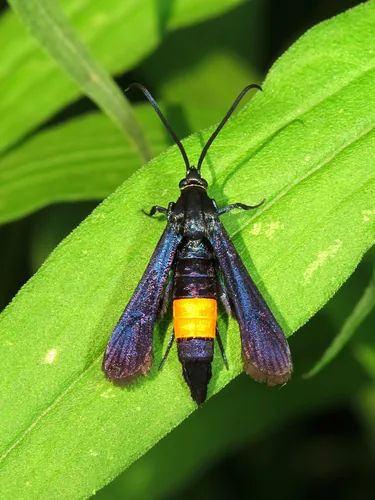
Field Identification
If new growth is curling, yellowing, sticky, or chewed, peachtree borer may already be on the plant. This pest often builds quietly, then damage appears all at once. Feeding stress weakens growth, reduces yield, and opens the door to secondary disease. Early cleanup is much easier than fighting a full population surge later.
Inspect the newest growth first: leaf undersides, flower buds, stem joints, and tender tips where pests gather. Look for body shape, color, eggs, cast skins, honeydew, webbing, or fresh puncture marks. A hand lens and a white paper tap test help reveal small life stages. Matching visible pests with fresh plant damage confirms active infestation.
Not sure what you have? Use the symptom diagnosis tool →
How to Deal With It
Organic Control Methods
Beneficial nematodes (Steinernema carpocapsae) applied as a trunk drench into the crown and roos — one of the few treatments that actually reaches larvae inside the tree. Apply in late summer when soil is moist and above 60F (15C), drenching the crown area thoroughly. Repeat in fall. Braconid and ichneumonid parasitoids attack clearwing larvae in galleries. Woodpeckers excavate shallow galleries and are worth encouraging near orchards. Healthy trees with vigorous growth repel borers more effectively than stressed trees — soil health is genuine biological defense.
Peachtree borer attacks at the crown and root zone — the entry point is at or just below soil level. Adult clearwing moths lay eggs on bark from July through September. The first sign of infestation is gummosis (amber gum) mixed with frass at the base of the trunk. By the time gummosis is visible the larva has been feeding for weeks. Pheromone traps monitor male flight and establish the egg-laying window for preventive treatments. Avoid wounding trunks and crowns — borer entry sites are almost always wounds from string trimmers, mowers, or cultivation tools.
Keep soil away from trunk bases — crown rot and borer establishment both thrive when soil is piled against trunks. White latex paint on lower trunks reduces sunscald that precedes egg deposition. Remove suckers at the base that hide borer entry points and create wound sites. Maintain tree vigor with proper irrigation and nutrition — a stressed tree sends chemical signals that attract borers, a healthy tree actively repels them. Inspect crown area monthly during growing season for gummosis.
Probe and crush larvae in accessible galleries on young trees when detected early — insert a stiff wire into fresh entry holes and push through the gallery. Dig away soil from the crown in fall to expose galleries for inspection and physical removal. Pheromone traps for adult moths help time nematode applications precisely. For severe infestations on young trees, removal may be necessary to protect neighboring trees.
Steinernema carpocapsae nematodes applied as a drench to the crown and root zone are the most effective organic treatment — drench the basal 6 inches of trunk and surrounding soil thoroughly, keep moist for 2 weeks. Apply in late summer when adults are laying eggs and in fall. Kaolin clay applied to trunks from July through September deters female moths from laying eggs on bark. Reapply nematodes after irrigation events to maintain viability around the crown.
Let Nature Handle It
Natural Enemies
- Braconid Wasps
- Ichneumonid Wasps
- Woodpeckers (Picidae)
- Entomopathogenic Nematodes
Threat Map