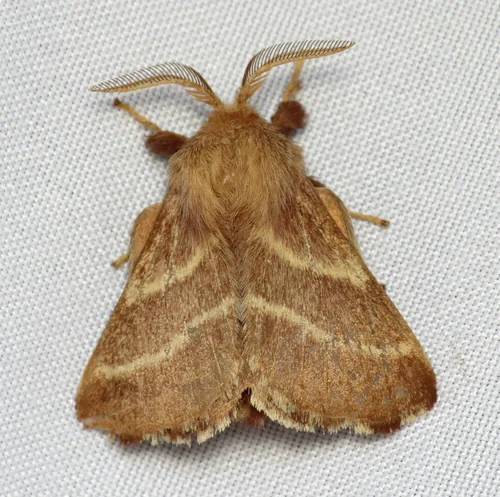
Field Identification
If leaves look shredded overnight or fruit has fresh chew holes, eastern tent caterpillar may be feeding right now. These larvae can eat fast and strip a healthy plant in a short window. Young stages are easy to miss, then damage suddenly explodes as they grow. Catch them early to avoid severe defoliation and contaminated harvests.
Check leaf undersides, growing tips, and stem junctions for eggs, frass pellets, and feeding scars. Larvae vary in color, but most have a soft segmented body and blend into foliage. Look at dusk or early morning when many species feed more actively. Fresh chewing plus live larvae or droppings on lower leaves confirms an active caterpillar outbreak.
Not sure what you have? Use the symptom diagnosis tool →
How to Deal With It
Organic Control Methods
Tachinid flies glue eggs to caterpillar skin; braconid wasps lay eggs that turn larvae into rice-grain mummies. Birds rip tents open and eat large caterpillars on cold mornings. If you see fluffy cocoons with tiny holes in a tent, parasitoids may still be inside -- wait a day before destroying that tent unless the tree is critically bare. Diverse orchard floors with early blooming weeds feed adult parasitoids when fruit trees are still bare. Night spraying of pyrethrin across whole blocks kills these helpers faster than it kills late-instar caterpillars.
Eastern tent caterpillar overwinters as shiny black egg bands encircling twigs -- scout during dormant pruning and clip bands into a bucket before spring hatch. Map branches that hosted tents last year; those forks often get repeat egg masses. Do not schedule Bt on the calendar every April; walk first and measure larval length. If tents are absent or larvae are still tiny, you have time for softer tactics. Teach crew that one loud outbreak does not mean automatic annual sprays -- monitor, then act.
On young trees, remove egg masses you can reach; on big wild cherries near nursery blocks, prune or flag for neighbors if they threaten your stock. Keep fencerow cherries from rubbing drip lines where moths could move a few feet and deposit eggs. Accept modest leaf loss on mature trees if tents stay small -- total defoliation is rare on healthy wood. Avoid torching tents with propane on thin-barked trees; you will trade caterpillars for canker disease. Maintain ground cover that hosts predators without hiding deer browse that breaks the same limbs caterpillars use.
When tents are fist-sized, strip them into a bucket of soapy water before larvae scatter to whole branches -- early removal stops ninety percent of the drama. Wear gloves; hairs do not bother everyone but sap does. For reachable backyard cherries, crush early instars inside the tent between gloved fingers. Do not pressure-wash tents; bark damage invites borers and disease more than the caterpillars do. On tall trees, prune out small twigs with tents if structurally safe and burn or chip debris promptly.
Bacillus thuringiensis kurstaki must be eaten by actively feeding small larvae -- spray when caterpillars are under one inch and leaves still have green tissue to treat. Mix fresh, add spreader if rain is not forecast for twenty-four hours. Spot-spray tents and a halo of surrounding leaves instead of fogging the whole orchard if pollinators work understory blooms. Neem or spinosad can follow label directions on orchard crops when larvae resist Bt or you missed the early window -- still target larvae, not bare bark. Reapply after heavy rain; Bt washes off quickly.
Let Nature Handle It
Natural Enemies
- Tachinid Flies (Tachinidae)
- Ichneumonid Wasps
- Braconid Wasps
- Insectivorous Birds
Threat Map