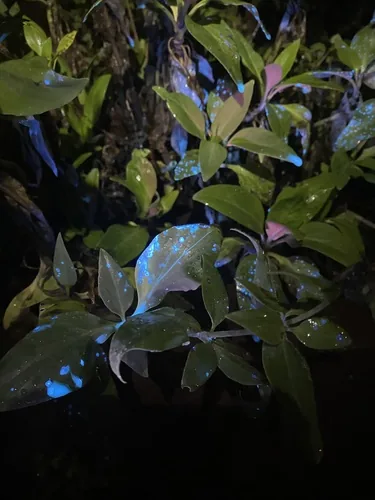
Field Identification
If leaves, stems, or fruit suddenly look spotted, sunken, or rotting, pythium root rot may already be active. This problem often starts small, then spreads across healthy tissue before most growers realize how serious it is. Warmth, moisture, and crowded foliage usually speed it up. Treat early, because waiting even a few days can turn a manageable infection into major crop loss.
Look for a pattern, not one bad leaf: expanding spots, dark or pale halos, fuzzy growth, or tissue that collapses when touched. Check both leaf surfaces, stem bases, and fruit scars where symptoms first appear. New lesions after rain, overhead watering, or heavy dew are a strong clue. When separate spots begin merging into larger dead patches, the disease is advancing quickly.
Not sure what you have? Use the symptom diagnosis tool →
How to Deal With It
Organic Control Methods
Trichoderma harzianum and Gliocladium catenulatum colonize root surfaces competitively and produce compounds that inhibit Pythium — apply as transplant drenches or incorporate into potting mix. Bacillus amyloliquefaciens and B. subtilis strains produce antibiotics active against Pythium — available as commercial biological fungicides. These work best preventively on clean stock in healthy soil, not as cures for infected plants. Arbuscular mycorrhizal fungi strengthen root systems and make plants significantly more tolerant of Pythium pressure.
Pythium is a water mold — it thrives in waterlogged, cold, poorly drained soil. The number one prevention is drainage. Raised beds, perlite-amended potting mix, and bottom heat for seedlings prevent the conditions Pythium needs. Do not overwater — let the top inch of soil dry between waterings for most crops. Pond water and recycled irrigation water can carry Pythium zoospores — use clean water sources for seedlings and transplants. Cold soil below 55F (13C) with excess moisture is highest risk.
Space plants for airflow. Use well-draining potting mix with perlite or coarse sand — never pure peat or fine compost for seedlings. Bottom heat mats for germination maintain soil temperature above Pythium's optimal range. Pasteurize or purchase sterile potting mix — never reuse mix from previously infected containers. Avoid piling mulch against stems. Improve subsurface drainage with French drains in beds that stay wet after rain.
Solarize infested soil — clear plastic over moist ground for 4-6 weeks in summer reaches temperatures lethal to Pythium zoospores and oospores in the top 6 inches. Steam treatment of propagation beds and reused containers eliminates Pythium before replanting. Remove and bag infected po not compost, as Pythium oospores survive composting.
Copper-based fungicides as soil drench have suppressive activity against Pythium — apply preventively before symptoms appear. Hydrogen peroxide (3% diluted 1:4 with water) as soil drench kills Pythium zoospores on contact and breaks down to water and oxygen with no residue — apply when soil is slightly dry for better penetration. Potassium phosphite drenches stimulate plant immune response to Pythium — effective as a preventive program on susceptible crops.
Let Nature Handle It
Natural Enemies
- Trichoderma spp.
- Streptomyces spp.
- Gliocladium catenulatum
Threat Map