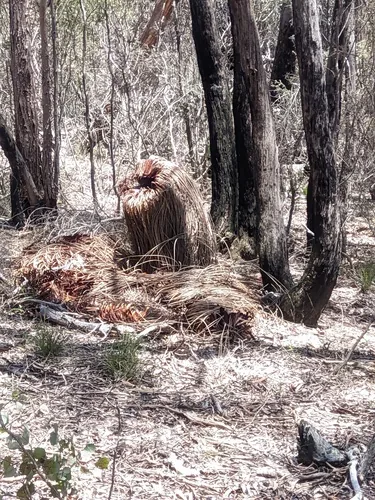
Field Identification
If leaves, stems, or fruit suddenly look spotted, sunken, or rotting, phytophthora root rot may already be active. This problem often starts small, then spreads across healthy tissue before most growers realize how serious it is. Warmth, moisture, and crowded foliage usually speed it up. Treat early, because waiting even a few days can turn a manageable infection into major crop loss.
Look for a pattern, not one bad leaf: expanding spots, dark or pale halos, fuzzy growth, or tissue that collapses when touched. Check both leaf surfaces, stem bases, and fruit scars where symptoms first appear. New lesions after rain, overhead watering, or heavy dew are a strong clue. When separate spots begin merging into larger dead patches, the disease is advancing quickly.
Not sure what you have? Use the symptom diagnosis tool →
How to Deal With It
Organic Control Methods
Trichoderma and Streptomyces products applied as soil drenches sometimes compete with Phytophthora zoospores -- variable suppression, not a cure for soggy roots. Compost teas show inconsistent results unless you track biology. Combine any microbial with drainage work; otherwise you rearrange deck chairs while roots rot.
Buy certified clean nursery stock; reject plants with collar lesions or stunted roots. Test irrigation water for contamination in high-value blocks; do not propagate from known- positive fields. Map sick zones and avoid moving soil from them on tools and tires.
Plant on broad mounds or berms so crowns sit above the water table; redirect runoff away from trunks. Use clean mulch kept back from bark collars; wet mulch against stems invites infection. Graft susceptible scions onto tolerant rootstocks where programs exist. Avoid over-irrigation; wet feet kill faster than Phytophthora alone on dry slopes.
Carefully excavate soil from infected crowns, let tissue air-dry briefly where appropriate, then replace with clean mulch -- pair with irrigation fixes or roots re-infect the same week. Install French drains or surface swales in chronically wet yards before replanting.
Copper hydroxide on crowns of woody plants may protect some infections where labels allow. Phosphorous acid (phosphite) trunk injections or foliar sprays trigger host defenses on some crops -- follow organic certification rules and hire trained applicators for injection. Sprays support trees with functioning roots; they do not rebuild mush.
Let Nature Handle It
Natural Enemies
- Trichoderma asperellum
- Streptomyces spp.
- Competitive Saprophytes