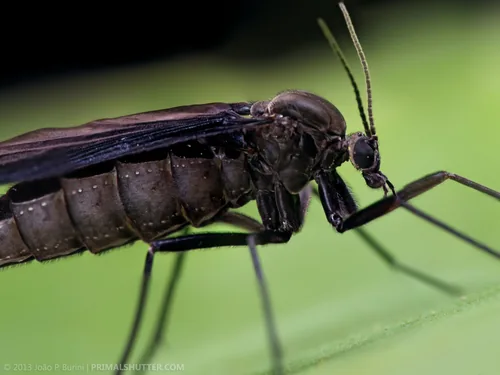
Field Identification
If leaves, stems, or fruit suddenly look spotted, sunken, or rotting, fungus gnat may already be active. This problem often starts small, then spreads across healthy tissue before most growers realize how serious it is. Warmth, moisture, and crowded foliage usually speed it up. Treat early, because waiting even a few days can turn a manageable infection into major crop loss.
Look for a pattern, not one bad leaf: expanding spots, dark or pale halos, fuzzy growth, or tissue that collapses when touched. Check both leaf surfaces, stem bases, and fruit scars where symptoms first appear. New lesions after rain, overhead watering, or heavy dew are a strong clue. When separate spots begin merging into larger dead patches, the disease is advancing quickly.
Not sure what you have? Use the symptom diagnosis tool →
How to Deal With It
Organic Control Methods
Steinernema feltiae nematodes swim in moist media and infect fungus gnat larvae when soil temperature fits the label -- apply right after irrigation. Stratiolaelaps miles mites hunt larvae in the top layer of wet trays. Dalotia coriaria rove beetles cruise the bench eating larvae and pupae. These products fail if you pressure-wash benches daily or drench with incompatible chemicals -- read compatibility charts.
Inspect bought-in plugs before they touch clean stock; isolate suspicious trays. Screen greenhouse intakes so adults do not ride the wind through fans. Store bagged mix dry and sealed; damp bags breed gnats before you open them. When starting seeds, use media from trusted batches; mystery compost is a gnat nursery.
Let bench surfaces dry between waterings -- fungus gnats complete in the top quarter inch of constantly wet media. Bottom-water or water from below so trays surface-dry faster. Pasteurize or buy consistent-quality mix; avoid green compost in cell trays until it finishes cooking. Fix leaks and level benches so water does not pool under pots.
Yellow sticky cards at media rim height catch adults for trend lines -- rising counts mean dry the bench or treat larvae. Potato slices on the surface lure larvae for monitoring counts; replace slices daily. Vacuum adults from glass walls before they lay eggs on every tray.
Bacillus thuringiensis israelensis soil drench kills larvae where products are labeled for greenhouse use -- read the ornamentals section twice. Neem cake or neem soil drenches suppress larvae in some programs; avoid drowning roots chasing flying adults. Rotate BTI with drying and predators so you do not select soap-tolerant flies while algae persists.
Let Nature Handle It
Natural Enemies
- Steinernema feltiae
- Stratiolaelaps scimitus
- Dalotia coriaria