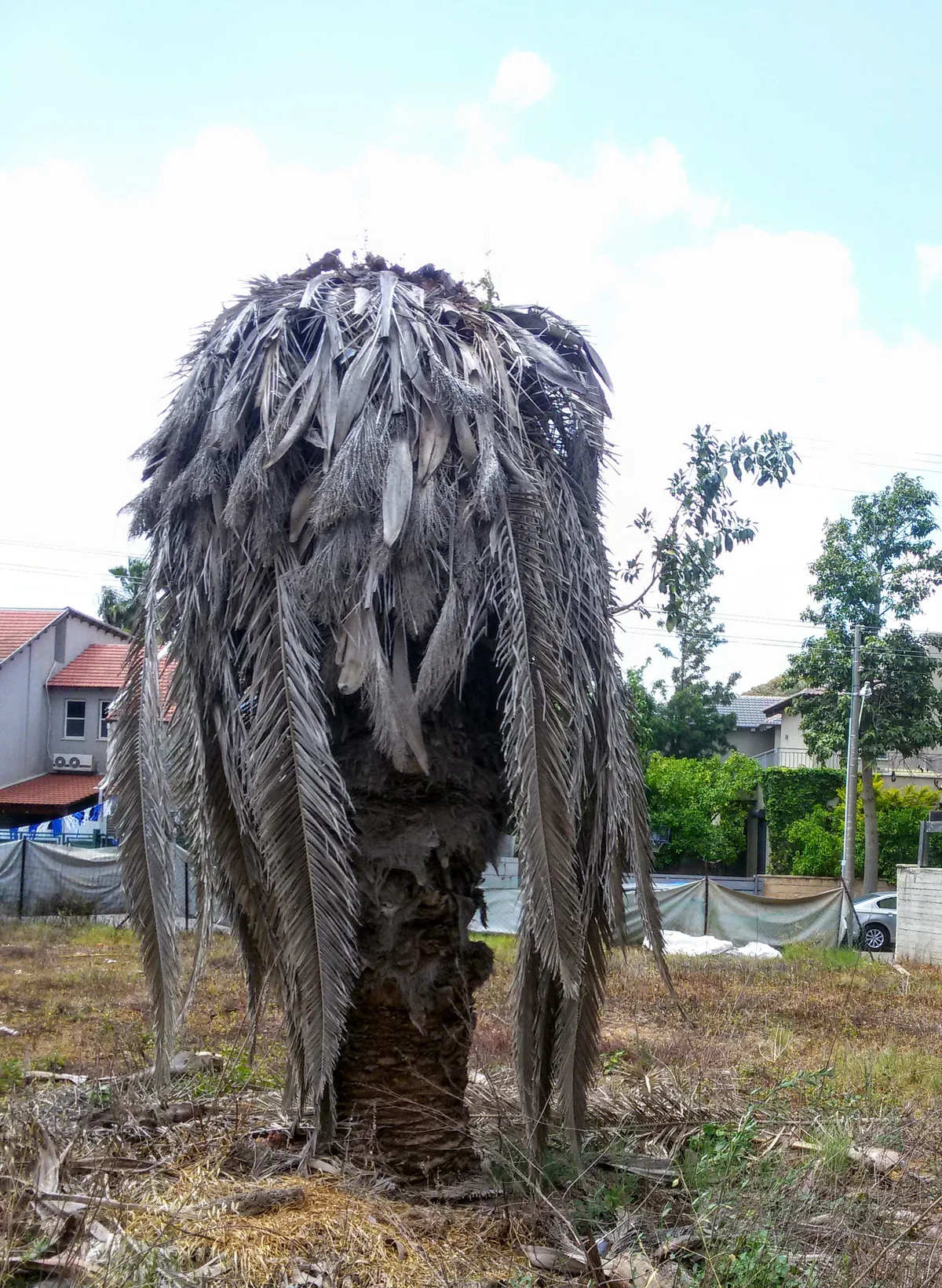
Field Identification
If plants are wilting, notching at the edges, or fruit and roots show hidden feeding damage, palm weevil may be the cause. Adults chew above ground while larvae often feed out of sight inside soil, stems, or fruit. Damage builds quietly, then plants crash fast when roots are heavily hit. Act early so a small weevil problem does not become a season-long infestation.
Look for small beetles with a hard body and a distinct snout, usually active at dawn, dusk, or night. Check for crescent-shaped leaf notches, punctures in fruit, or tiny entry holes near stems. In soil or damaged tissue, larvae are often pale, legless, and curved in a C-shape. Fresh chew marks plus snout beetles or C-shaped grubs confirm active weevil pressure.
Not sure what you have? Use the symptom diagnosis tool →
How to Deal With It
Organic Control Methods
Steinernema and Heterorhabditis nematodes swim into wet galleries and infect larvae if temperature and humidity stay in range -- they fail in dry crowns. Beauveria bassiana and similar fungi need moisture on insect bodies to germinate and kill. Woodpeckers excavate larvae when tissue is still firm; ants harass dying adults on the ground. Nematodes and fungi are precision tools applied after sanitation exposes galleries, not instead of removing hopelessly mined palms.
Rhynchophorus palmarum adults locate palms by scent of fermentation and fresh wounds -- never move untreated chipped debris or stumps from known outbreak zones. Inspect imported palms for holes, odd sawdust, and soft hearts before they leave the truck. Maintain potassium nutrition on sandy soils; potassium-starved palms flag stress before leaves fully yellow. Report regulatory suspects promptly where programs exist; early detection beats heroic late sprays. Teach crews to sterilize tools between blocks so diseases and egg layers do not share a dirty saw.
Sterilize pruning blades between trees; avoid cosmetic crown haircuts during peak adult flight unless you can protect cuts immediately. Remove and chip infested palms before adults bore out; delay turns one tree into a neighborhood emitter. In greenhouse culture, isolate new palms for a quarantine window and scout crowns with a bright light. Pheromone plus kairomone bucket traps help monitoring and can lower male counts when deployed as grids, not single ornaments near doors.
Approved trap spikes or gallery probes destroy reachable larvae when laws and safety allow -- training matters around power tools near collapsing crowns. Screen greenhouse palms with fine mesh on vents and doors during flight peaks; outdoor mature groves rely on sanitation. For short ornamental palms, hand-remove adults at night with gloves; they play dead, then fly. Combine physical removal with moisture management so fungi or nematodes you apply next actually survive.
Neem and Beauveria bassiana directed into crown axils and fresh wounds target adults and young larvae on contact -- repeat during rainy periods when adults move and spores stay wet. No organic spray rebuilds a heart fully eaten by larvae; sprays buy time on partial infestations only. Follow label rates for palm height and worker safety. Rotate biological products as labels allow; overuse without debris removal selects for survivors. If the crown pulls out by hand, stop spraying and remove the palm.
Let Nature Handle It
Natural Enemies
- Woodpeckers
- Ants
- Entomopathogenic Nematodes
- Entomopathogenic Fungi
Threat Map