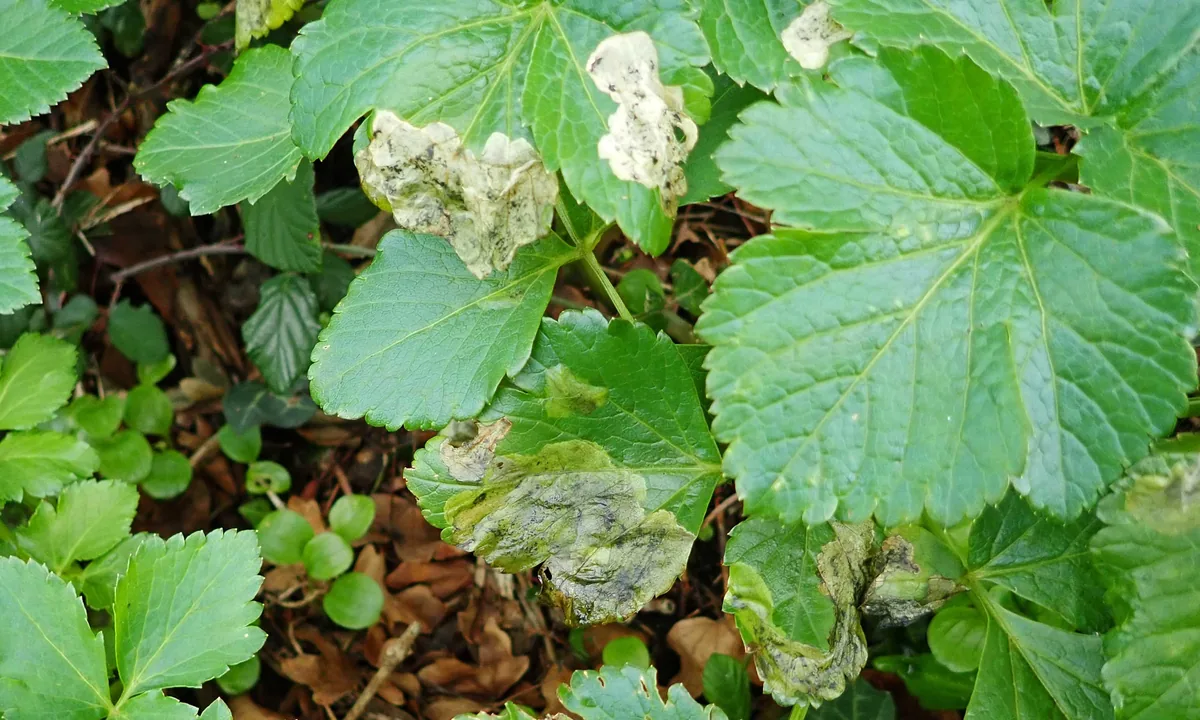
Field Identification
If new growth is curling, yellowing, sticky, or chewed, celery leaf miner may already be on the plant. This pest often builds quietly, then damage appears all at once. Feeding stress weakens growth, reduces yield, and opens the door to secondary disease. Early cleanup is much easier than fighting a full population surge later.
Inspect the newest growth first: leaf undersides, flower buds, stem joints, and tender tips where pests gather. Look for body shape, color, eggs, cast skins, honeydew, webbing, or fresh puncture marks. A hand lens and a white paper tap test help reveal small life stages. Matching visible pests with fresh plant damage confirms active infestation.
Not sure what you have? Use the symptom diagnosis tool →
How to Deal With It
Organic Control Methods
Tiny parasitic wasps attack leaf miner larvae inside celery and parsley leaves -- you see their work as brown, puffy mines or exit holes when they succeed. Minute pirate bugs and lacewing larvae hunt exposed eggs before larvae tunnel. These helpers die if you spray broad-spectrum soap or pyrethrin every three days. Leave a few mined leaves if mines look parasitized and plants still photosynthesize; total strip-mining is different from cosmetic tracks.
Adult flies lay eggs on undersides of leaves in long, puncture lines -- scout seedling celery weekly with a hand lens and flip leaves before mines appear. Yellow sticky cards near canopy height show fly numbers trending up. Remove volunteer celery and related weeds near fields that bridge generations. In greenhouses, screen vents before adults fly in from outside. If last year's block was hot, rotate location so emerging flies meet fewer hosts immediately.
Rotate Apiaceae crops on a two- to three-year cycle in gardens; commercial fields move blocks farther. Interplant with non-hosts for diversity, not because celery repels miners -- it does not. Avoid overhead irrigation that keeps leaves wet all day; miners still come, but foliar diseases stack on top. Keep fertility even; stunted celery shows mines faster because each leaf matters. In high tunnels, remove crop debris between successions so pupae have nowhere to sit.
Clip and destroy heavily mined leaves while larvae are still small -- bag them, do not compost hot. Floating row covers on young transplants block adults during first flights; remove when plants need space or pollination for seed crops. For greenhouse benches, yellow sticky tape along walkways catches adults walking from pot to pot. Vacuum adults on cold mornings when they rest on leaves.
Spinosad penetrates leaf tissue enough to kill young leaf miner larvae in some systems -- read labels for celery and rate. Neem and soap reduce egg laying if you apply before mines tunnel; after larvae are inside, contact sprays miss them. Rotate modes of action; miners select resistance in greenhouses fast. Spray at dusk to spare parasitoids. Combine any spray with removal of old mines so you are not treating ghosts.
Let Nature Handle It
Natural Enemies
- Parasitoid Wasps
- Predatory Insects
Threat Map