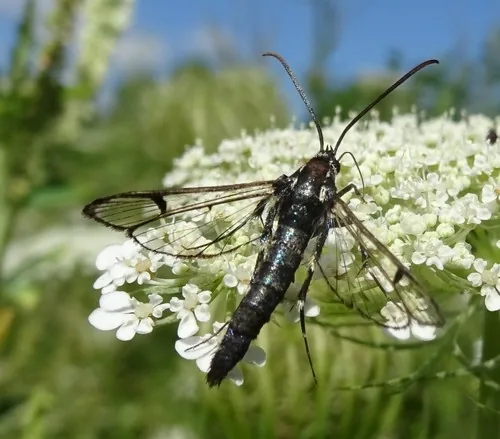
Field Identification
If new growth is curling, yellowing, sticky, or chewed, lesser peachtree borer may already be on the plant. This pest often builds quietly, then damage appears all at once. Feeding stress weakens growth, reduces yield, and opens the door to secondary disease. Early cleanup is much easier than fighting a full population surge later.
Inspect the newest growth first: leaf undersides, flower buds, stem joints, and tender tips where pests gather. Look for body shape, color, eggs, cast skins, honeydew, webbing, or fresh puncture marks. A hand lens and a white paper tap test help reveal small life stages. Matching visible pests with fresh plant damage confirms active infestation.
Not sure what you have? Use the symptom diagnosis tool →
How to Deal With It
Organic Control Methods
Braconid and ichneumonid wasps sometimes parasitize clearwing larvae tunneling under bark, especially where orchards keep flowering ground covers for adult food. Woodpeckers and flickers hear larvae and drill neat holes -- alarming to see, but often better than silent tunneling to the cambium. Nematodes are not predators; they are a separate tactic below. If you spray pyrethrin on trunks all summer, you will kill parasitoids that could have helped the next generation. Leave a few low-risk flowering rows unsprayed during flight peaks as refuges.
Adults are wasp-mimic moths that lay eggs on sun-warmed bark from late spring through summer -- walk orchards every two weeks and feel for gum balls, sawdust tubes, and bark cracks with fresh frass. Map chronic trees and prioritize white latex paint on trunks, guards, and irrigation fixes that stop bark wounds. Train pickers to notice sawdust on fruit bins or leaves; summer is easier to see holes than spring. If a tree shows new holes every year, schedule removal wood during dormancy before scaffold integrity fails.
Sunscald and mechanical wounds are neon signs for egg-laying -- paint trunks pale or use rigid guards on young stone fruit and pears where labels allow. Never let string trimmers scuff bark at soil line; mulch lightly instead of bare scalping. Prune in dry forecasts so cuts seal quickly, and remove stubs that die back slowly. Chip infested wood on site; dragging it across the farm spreads larvae stuck under bark flakes. In backyard plantings, keep grass back from trunks with hand clearance, not repeated mower kisses.
Run a flexible wire into fresh galleries to mash larvae when tunnels are still shallow -- backyard trees repay the time, big blocks rarely do. Commercially, pheromone traps baited for lesser peachtree borer catch males and tell you when flights peak; mark the calendar for nematode drenches or trunk-directed sprays your certifier allows. Some growers nail corrugated cardboard bands to trunks for pupation sites, then remove and burn bands -- check regional guidance so you do not trap beneficials you need. For a single prized tree, wrap trunk sections with fine mesh during flight if feasible without girdling growth.
Entomopathogenic nematodes (Steinernema and Heterorhabditis species) swim into wet galleries after irrigation and kill larvae if soil temperature stays in the product window -- apply right after peak flight when fresh entries ooze. Repeat when suppliers say; nematodes dry out in bone-hot bark. Surround kaolin slurry on trunks can deter egg-laying if you rebuild after rain and overhead irrigation. Some organic programs allow trunk sprays of certain oils or botanicals at narrow timings; match label to crop and life stage. Nematodes fail in dry galleries -- water the zone, then apply, then keep humidity up for forty-eight hours.
Let Nature Handle It
Natural Enemies
- Braconid Wasps
- Ichneumonid Wasps
- Woodpeckers (Picidae)
- Entomopathogenic Nematodes
Threat Map