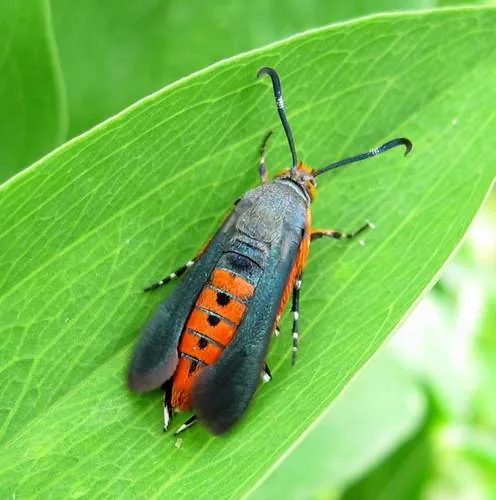
Field Identification
If new growth is curling, yellowing, sticky, or chewed, squash vine borer may already be on the plant. This pest often builds quietly, then damage appears all at once. Feeding stress weakens growth, reduces yield, and opens the door to secondary disease. Early cleanup is much easier than fighting a full population surge later.
Inspect the newest growth first: leaf undersides, flower buds, stem joints, and tender tips where pests gather. Look for body shape, color, eggs, cast skins, honeydew, webbing, or fresh puncture marks. A hand lens and a white paper tap test help reveal small life stages. Matching visible pests with fresh plant damage confirms active infestation.
Not sure what you have? Use the symptom diagnosis tool →
How to Deal With It
Organic Control Methods
Beneficial nematodes (Steinernema carpocapsae) injected into borer entry holes or applied to soil at the base of stems reach larvae that no spray can contact -- one of the few organic options that works on borers already inside stems. Trichogramma egg parasitoids attack squash vine borer eggs on stems before they hatch -- release weekly during adult flight period. Generalist ground beetles prey on pupae in soil over winter -- permanent mulch paths near the garden support them year-round.
Squash vine borer adults are day-flying clearwing moths that look like wasps -- red and black, fast-moving, easy to spot near squash plants in summer. They lay flat reddish-brown eggs individually on stems near the base. Finding and crushing these eggs before they hatch is the highest-value prevention. Row covers from transplant until first female flower completely exclude egg-laying -- remove covers at bloom for pollination. Time a second planting after peak borer flight (mid-August in most areas) to escape pressure.
Butternut squash is significantly less preferred by squash vine borers than zucchini, yellow squash, or acorn squash -- choose it when borer pressure is severe. Mound soil over vine nodes every few feet to encourage adventitious rooting -- when borers kill the main stem the vine can continue from new roots. Blue Hubbard squash as a trap crop at bed edges draws borers away from main plantings. Destroy all cucurbit crop residue immediately after harvest.
Slit infested stems lengthwise with a sharp knife to extract and kill the larva inside -- find the entry hole (a sawdust-like frass pile) and cut just far enough to reach the larva. Pack moist soil over the wound and the vine often survives. Check stem bases weekly from June onward for entry holes and fresh frass. Row covers are the most reliable mechanical control.
Bt kurstaki has very limited effectiveness because larvae enter stems quickly and are then protected from contact sprays. The only window is targeting newly hatched larvae in the first hours after egg hatch before they tunnel in -- spray stems thoroughly every 5-7 days during adult flight. Kaolin clay on stems deters egg-laying -- apply every 7 days from early June. Focus all spray effort on prevention before larvae enter, not treatment after.
Let Nature Handle It
Natural Enemies
- Braconid Wasps
- Ichneumonid Wasps
- Beneficial Nematodes
Threat Map