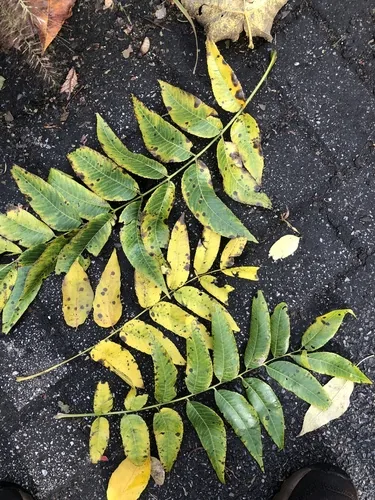
Field Identification
If leaves, stems, or fruit suddenly look spotted, sunken, or rotting, pecan scab may already be active. This problem often starts small, then spreads across healthy tissue before most growers realize how serious it is. Warmth, moisture, and crowded foliage usually speed it up. Treat early, because waiting even a few days can turn a manageable infection into major crop loss.
Look for a pattern, not one bad leaf: expanding spots, dark or pale halos, fuzzy growth, or tissue that collapses when touched. Check both leaf surfaces, stem bases, and fruit scars where symptoms first appear. New lesions after rain, overhead watering, or heavy dew are a strong clue. When separate spots begin merging into larger dead patches, the disease is advancing quickly.
Not sure what you have? Use the symptom diagnosis tool →
How to Deal With It
Organic Control Methods
Bacillus subtilis and other antagonistic microbes applied to leaves compete for infection sites when humidity is high -- they supplement, not replace, sanitation and copper. Yeasts and bacteria show variable results in trials; field hygiene still matters most. Healthy soil biology supports tree vigor; it does not stop scab spores blowing in wet springs.
Scout at leaf out and nut sizing; begin protectant programs before first spring rains on susceptible varieties. Missing the first infection window is how scab wins in humid summers. Flag blocks that scabbed last year; walk those trees first. Combine scouting with local disease models when available.
Plant resistant cultivars where markets allow; resistance is the backbone of scab management. Widen spacing and prune interiors so leaves and nuts dry before nightfall. Shred or remove fallen leaves where practical to reduce primary inoculum. Avoid overhead irrigation that keeps foliage wet all night; drip under trees.
Shake limbs after harvest to dislodge old foliage in small plantings; less leaf carryover means fewer spores next spring. Reflective ground cover speeds drying in research trials; scale carefully. Prune low branches that touch grass and splash spores upward.
Sulfur rotations and copper products follow organic rules for your certifier -- lime sulfur fits dormant windows on tolerant timing. Biofungicides with Bacillus subtilis or Reynoutria extracts add layers in wet years. Reapply after rain per label; protectant covers wash off. Rotate sulfur with other modes to slow resistance buildup in pathogen populations.
Let Nature Handle It
Natural Enemies
- Antagonistic Bacteria
- Competitive Yeasts
- Hyperparasitic Fungi