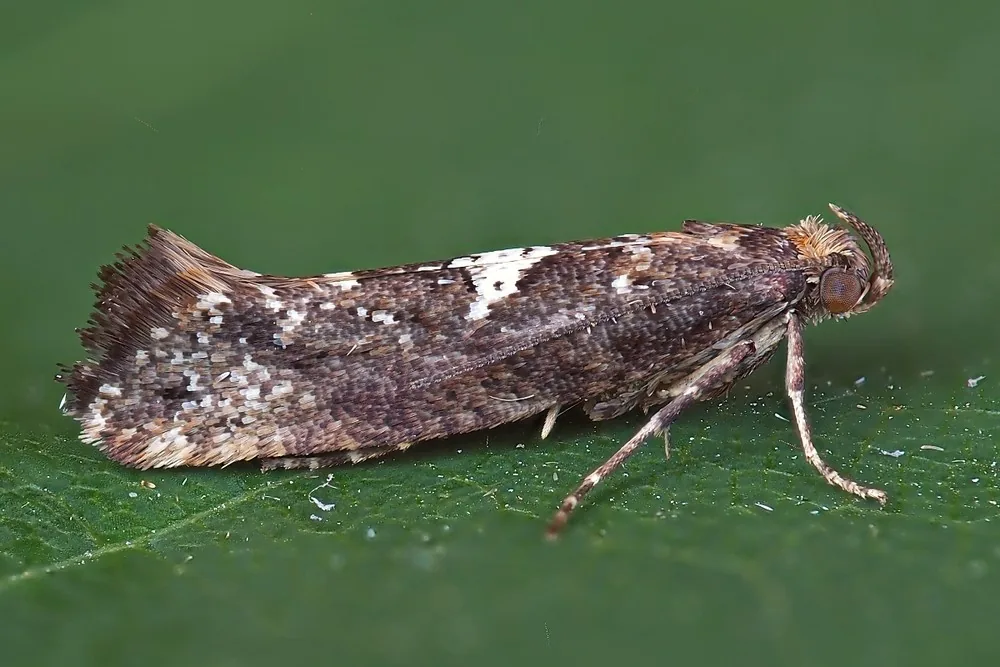
Field Identification
If new growth is curling, yellowing, sticky, or chewed, leek moth may already be on the plant. This pest often builds quietly, then damage appears all at once. Feeding stress weakens growth, reduces yield, and opens the door to secondary disease. Early cleanup is much easier than fighting a full population surge later.
Inspect the newest growth first: leaf undersides, flower buds, stem joints, and tender tips where pests gather. Look for body shape, color, eggs, cast skins, honeydew, webbing, or fresh puncture marks. A hand lens and a white paper tap test help reveal small life stages. Matching visible pests with fresh plant damage confirms active infestation.
Not sure what you have? Use the symptom diagnosis tool →
How to Deal With It
Organic Control Methods
Parasitic wasps attack leek moth larvae inside leaves when sprays stay selective -- birds pull larvae from exposed tips. Minute pirate bugs eat eggs before they hatch. If you calendar pyrethrin weekly, you kill parasitoids while moths fly in from weedy edges.
Monitor allium crops from transplant -- look for window-pane feeding and frass in leaf folds. Proper spacing helps sprays and predators reach inner leaves; sanitation matters more than spacing alone. Flag fields with history; walk those rows first each spring.
Rotate alliums with non-host crops so pupae in soil meet something they cannot eat. Remove crop debris promptly after harvest; larvae finish feeding in stalk bases. Destroy bolting alliums that attract late flights. Avoid continuous allium blocks in the same pocket garden.
Floating row covers on transplants block adults when edges seal -- remove when growth demands or hand-pollinate seed crops. Hand-pick larvae into soapy water on small beds when you catch mines early.
Bacillus thuringiensis kurstaki kills small larvae eating treated tissue -- add spreader and hit inner leaf folds. Neem and insecticidal soap reduce feeding on exposed larvae. Spray at dusk to spare bees on allium flowers if you let some bolt. Reapply after rain.
Let Nature Handle It
Natural Enemies
- Parasitic Wasps
- Insectivorous Birds