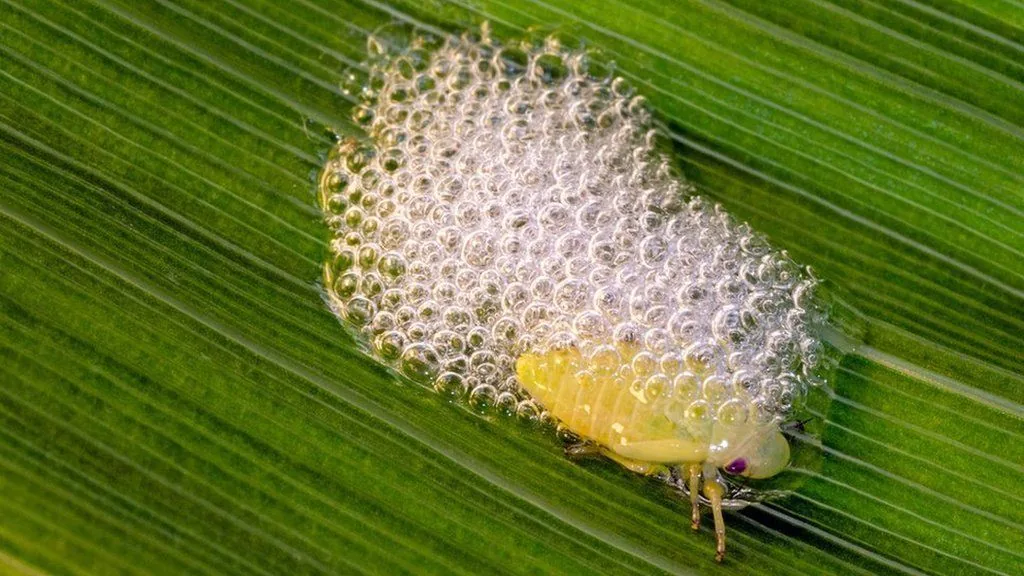
Field Identification
If new growth is curling, yellowing, sticky, or chewed, spittlebugs may already be on the plant. This pest often builds quietly, then damage appears all at once. Feeding stress weakens growth, reduces yield, and opens the door to secondary disease. Early cleanup is much easier than fighting a full population surge later.
Inspect the newest growth first: leaf undersides, flower buds, stem joints, and tender tips where pests gather. Look for body shape, color, eggs, cast skins, honeydew, webbing, or fresh puncture marks. A hand lens and a white paper tap test help reveal small life stages. Matching visible pests with fresh plant damage confirms active infestation.
Not sure what you have? Use the symptom diagnosis tool →
How to Deal With It
Organic Control Methods
Spiders, ground beetles, and parasitic wasps prey on spittlebug adults and nymphs — permanent ground cover and diverse plantings near beds support these predators year-round. Spittlebugs have relatively few specialist natural enemies but a diverse garden community keeps populations from exploding. The foam mass actually protects nymphs from many predators — biological control works best on adults in the open before and after the nymph stage.
Spittlebugs overwinter as eggs in plant debris and thatch — removing dead stems and debris in fall significantly reduces the following season's population. Adults emerge in early summer and lay eggs in late summer. One generation per year means disrupting the egg stage has outsized impact. Lush, overly fertilized plants are more attractive — reduce nitrogen inputs near spittlebug-prone areas. Strawberries, roses, and legumes are preferred hosts — monitor these weekly from late spring onward.
Spittlebug nymphs hide in foam masses on stems — the foam keeps them moist and hides them from predators. The foam is not itself harmful but signals feeding is occurring. Remove and bag heavily infested plant material. Diverse plantings dilute spittlebug pressure — monocultures of preferred hosts concentrate damage. Avoid overhead irrigation in late summer which keeps foliage moist and ideal for egg-laying adults. Clear debris and thatch in fall to destroy overwintering eggs before they hatch next spring.
A strong water jet dissolves the foam mass and exposes the nymph — follow immediately with a second blast to dislodge it from the plant. Nymphs cannot reattach easily once knocked off. This is fast and effective for light infestations. Repeat every few days during peak nymph season. For adults, hand-pick in early morning when they are sluggish. Row covers over strawberries and other preferred hosts during adult flight season prevent egg-laying.
Insecticidal soap penetrates foam masses and kills nymphs on contact — spray directly into the foam and onto the nymph underneath. Mix 1-2 teaspoons castile soap per quart of water. Neem oil applied to stems and new growth deters adult feeding and egg-laying. Both products must contact the pest to work. Apply in the morning before foam masses rebuild. Diatomaceous earth dusted on stems when dry damages the soft cuticle of nymphs that venture outside their foam.
Let Nature Handle It
Natural Enemies
- Spiders
- Predatory Beetles
- Parasitic Wasps
Threat Map