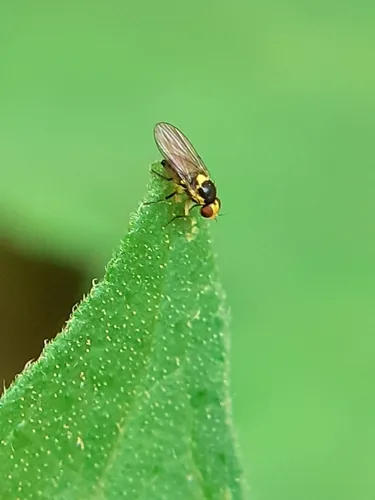
Field Identification
If new growth is curling, yellowing, sticky, or chewed, vegetable leafminer may already be on the plant. This pest often builds quietly, then damage appears all at once. Feeding stress weakens growth, reduces yield, and opens the door to secondary disease. Early cleanup is much easier than fighting a full population surge later.
Inspect the newest growth first: leaf undersides, flower buds, stem joints, and tender tips where pests gather. Look for body shape, color, eggs, cast skins, honeydew, webbing, or fresh puncture marks. A hand lens and a white paper tap test help reveal small life stages. Matching visible pests with fresh plant damage confirms active infestation.
Not sure what you have? Use the symptom diagnosis tool →
How to Deal With It
Organic Control Methods
Diglyphus and Chrysonotomyia wasps parasitize leafminer larvae inside mines -- they show up most in unsprayed plantings with flowering insectary strips. Minute pirate bugs eat eggs before mines start. If you spray broad-spectrum soap every Monday, you kill parasitoids while flies return on the next warm night.
Start with clean transplants from screened houses; rogue reservoir weeds in the aster family and other agromyzid hosts along field edges. Yellow sticky cards at canopy height track adult flights in greenhouses -- rising catches mean row cover or spinosad windows, not hope.
Strip mined leaves on small plants while larvae are still inside -- bag debris. Rotate away from susceptible hosts when market allows; flies do not care about your spreadsheet unless you break their food chain. Avoid quick-release nitrogen that pushes soft, attractive foliage every two weeks.
Floating row cover excludes adults from seedling beds when edges seal. Yellow traps in tunnels catch adults for mass trapping when many cards cover the house; one card near the door mostly samples. Vacuum adults from glass walls on cool mornings before they lay.
Neem, insecticidal soap, and spinosad (where OMRI-listed) target adults and young mines -- spinosad penetrates leaf tissue enough to kill young larvae. Repeat on short intervals while flights continue; cover leaf undersides where adults rest. Spray at dusk to spare parasitoids hunting mines.
Let Nature Handle It
Natural Enemies
- Diglyphus spp.
- Chrysonotomyia spp.
- Green Lacewings