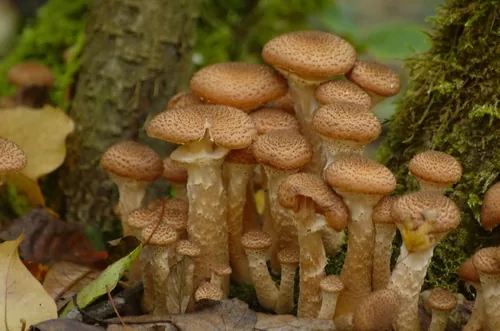
Field Identification
If leaves, stems, or fruit suddenly look spotted, sunken, or rotting, root rot may already be active. This problem often starts small, then spreads across healthy tissue before most growers realize how serious it is. Warmth, moisture, and crowded foliage usually speed it up. Treat early, because waiting even a few days can turn a manageable infection into major crop loss.
Look for a pattern, not one bad leaf: expanding spots, dark or pale halos, fuzzy growth, or tissue that collapses when touched. Check both leaf surfaces, stem bases, and fruit scars where symptoms first appear. New lesions after rain, overhead watering, or heavy dew are a strong clue. When separate spots begin merging into larger dead patches, the disease is advancing quickly.
Not sure what you have? Use the symptom diagnosis tool →
How to Deal With It
Organic Control Methods
Trichoderma harzianum and T. viride as soil drenches colonize root zones and aggressively attack root rot pathogens including Pythium, Phytophthora, Fusarium, and Rhizoctonia -- apply at transplanting and repeat monthly. Bacillus subtilis root drench supports root health and competitive exclusion. Mycorrhizal inoculants at transplanting dramatically improve root resilience and drought tolerance, making plants far more tolerant of the waterlogged conditions that favor root rot. A biologically active soil with diverse organisms naturally suppresses root rot pathogens far better than sterile or depleted growing media.
Root rot is not one disease but many -- Pythium, Phytophthora, Fusarium, Rhizoctonia, and others all cause roots to rot with similar above-ground symptoms. Plants wilt despite adequate water, lower leaves yellow, and the plant declines without obvious cause. Dig up a declining plant and check roots -- healthy roots are white and firm. Rotted roots are brown, black, soft, and may smell. The most common cause is overwatering and poor drainage, not pathogens -- fix drainage first before treating for disease.
Improve drainage before planting -- raised beds, amended soil, French drains, or choosing naturally well-drained sites eliminates most root rot. Water deeply and infrequently rather than shallow and frequently -- roots need oxygen between waterings. Never let pots or beds sit in standing water. Rotate susceptible crops. Remove severely affected plants with the surrounding soil ball and do not compost. Sterilize containers and seed trays between batches with 10% bleach solution.
Raised beds with excellent drainage are the most reliable long-term structural prevention. Repair low spots and install French drains in chronically wet areas before planting. For container plants, ensure drainage holes are clear and never use saucers that hold water under pots. Solarize soil in beds with a history of root rot during summer before replanting.
Trichoderma or Bacillus subtilis as soil drench applied at transplanting and repeated monthly is the most effective organic treatment for root rot prevention. Hydrogen peroxide (3% solution) as a soil drench oxygenates waterlogged soil and kills anaerobic root rot pathogens -- effective as an emergency treatment for overwatered plants. Potassium phosphite drench stimulates plant immune response and is effective against Phytophthora and Pythium root rots. Apply all drenches to moist but not waterlogged soil.
Let Nature Handle It
Natural Enemies
- Trichoderma spp.
- Competitive Soil Bacteria
- Mycorrhizal Fungi
Threat Map